
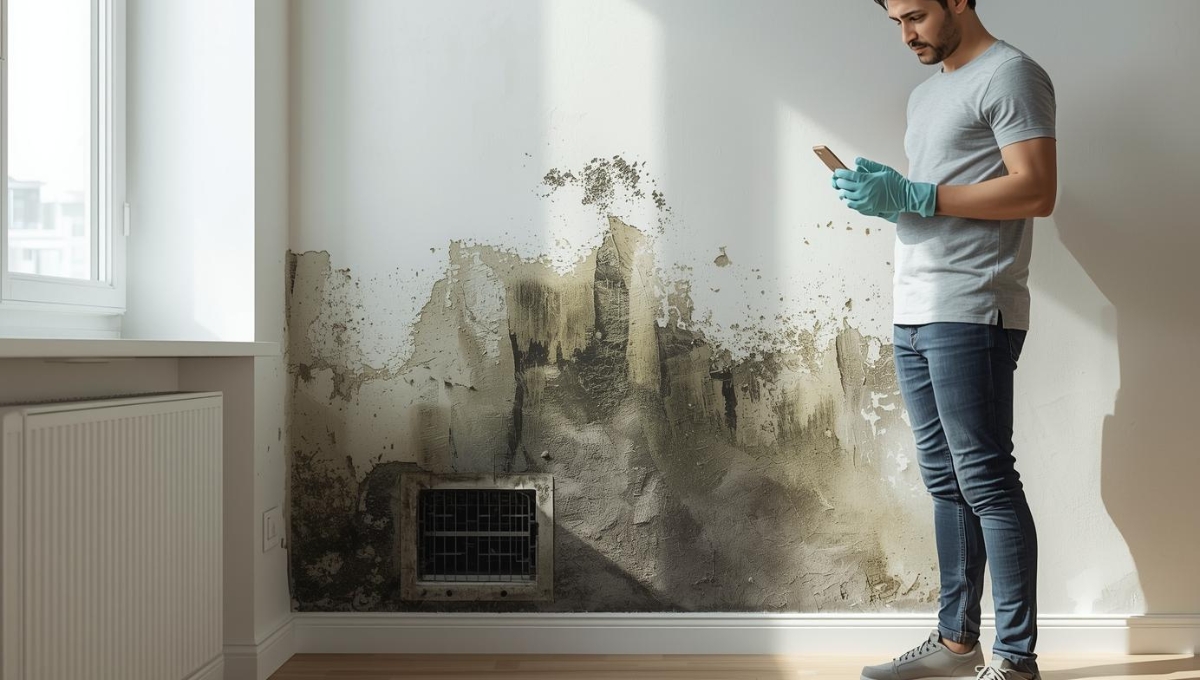
Mold damage is one of the most common problems tenants face, and many renters wonder: does renters insurance cover mold damage? The answer depends on how the mold formed and what caused it. At Coast View Plumbing & Restoration, we help renters and property owners throughout Greater Los Angeles handle water and mold damage quickly and safely. Understanding your insurance coverage is the first step toward protecting your health, your belongings, and your home.
Don’t wait until mold spreads, get expert help today. Contact Coast View Plumbing & Restoration on Google for fast service and honest restoration advice.
Understanding Mold Damage and Renters Insurance
Mold can grow anywhere moisture is present, and in Southern California’s warm climate, it spreads fast. Common causes include leaky pipes, roof damage, poor ventilation, and flooding. For renters, the question is not just how to remove it, but who pays for the cleanup.
Renters insurance is designed to protect your personal belongings from unexpected events called “covered perils.” These typically include things like fire, smoke, theft, vandalism, and water damage from sudden accidents such as a burst pipe. However, mold is rarely listed directly as a covered peril.
Insurance companies often treat mold as a secondary result of another event. That means mold cleanup may be covered only if it resulted from a problem already protected under your policy, such as a pipe bursting in your apartment and soaking your furniture and walls.
Because mold can cause serious health issues, such as allergies, respiratory irritation, and long-term air quality problems, it’s essential to understand your rights and responsibilities as a renter. A little prevention and knowledge now can save you thousands in potential losses later.
When Renters Insurance Covers Mold Damage
In most renters insurance policies, mold damage is covered only if it’s caused by a sudden, accidental event that’s already listed as a covered peril.
For example:
- Burst pipes: If a pipe breaks suddenly and water spreads into your bedroom walls, any mold that develops from this event is likely covered.
- Water heater malfunction: When a water heater leaks unexpectedly, damaging your belongings and leading to mold growth, the cleanup could be reimbursed.
- Firefighting water: If firefighters use water to put out a nearby fire and mold develops later, your renters insurance may also cover it.
In these cases, the key factor is that the mold is a direct result of a sudden and unexpected water event. The insurance company will require proof, such as photos, maintenance reports, and inspection results, to verify that the damage wasn’t due to long-term neglect.
At Coast View Plumbing & Restoration, we often assist renters in documenting their mold damage after a water emergency. Our licensed restoration team uses professional moisture detection equipment to trace where the leak started and how far the damage spread. Having this documentation ready can make a big difference when filing your claim.
When Mold Damage Is Not Covered
Unfortunately, renters insurance does not cover all types of mold damage. The most common reason a claim is denied is because the insurance company determines that the mold formed gradually over time, something they classify as “maintenance-related.”
Here are situations where coverage is usually denied:
- Ignored leaks or humidity issues: If a small leak under the sink or a damp bathroom wall was never reported or repaired, the resulting mold is considered preventable.
- Tenant negligence: Failing to ventilate bathrooms, use fans, or clean visible mold can lead to exclusions.
- Pre-existing mold: If mold was already present when you moved in, it’s the landlord’s responsibility to address it, not your insurer’s.
- Flood damage: Flooding from natural disasters or heavy rain requires separate flood insurance, not a standard renters policy.
Even if your renters insurance doesn’t pay for mold removal, you still have options. California law requires landlords to provide safe, habitable living conditions. That includes addressing leaks, water damage, and mold problems promptly. If your landlord doesn’t take action after being notified, you may have legal grounds to request repairs or remediation.
Mold can also spread into hidden areas like insulation, subflooring, and behind drywall. That’s why professional inspection is so important. Our technicians at Coast View Plumbing & Restoration provide thorough assessments to locate mold even when it isn’t visible, helping renters and property owners resolve the problem before it worsens.
How to Protect Yourself from Mold Damage Costs
While you can’t control every leak or accident, there are several ways to reduce the risk of paying out of pocket for mold-related damage.
1. Prevent Mold Growth Early
- Keep your home well-ventilated, especially bathrooms, kitchens, and laundry rooms.
- Use a dehumidifier if you live in a humid area or notice condensation forming on windows.
- Clean and dry wet areas within 24 to 48 hours to stop mold before it takes hold.
2. Inspect Before Signing a Lease
Always inspect for signs of water damage or musty odors before moving in. Look under sinks, behind appliances, and along window sills. Ask the landlord if there have been previous water or mold issues and request documentation of any recent repairs.
3. Review and Customize Your Renters Insurance
Not all policies are the same. Some insurance providers offer optional mold coverage endorsements that can extend protection for cleanup and personal property replacement. This may increase your premium slightly, but it’s often less expensive than paying for professional mold remediation out of pocket.
4. Document Everything
If you discover mold, take detailed photos and videos immediately. Report the issue in writing to your landlord and keep a copy for your records. This documentation helps establish the timeline and supports your case if you need to file an insurance claim or tenant complaint.
5. Get Professional Help Quickly
DIY cleaning might seem cheaper, but improper handling can spread mold spores and worsen damage. Professionals have the right containment tools, filtration systems, and safety gear to remove mold safely.
At Coast View Plumbing & Restoration, our mold remediation experts serve tenants and property managers across Greater Los Angeles, from Lake Los Angeles and Hesperia to Rancho Cucamonga and Pomona. We handle the cleanup, drying, and restoration process while keeping detailed reports that your insurer can use for documentation.
Why Prompt Mold Removal Matters
Even a small leak can lead to big problems if ignored. Mold growth can start within 48 hours and continue spreading unseen behind walls or flooring. Besides damaging your belongings, mold exposure can trigger coughing, headaches, and allergic reactions, especially in children or people with asthma.
When mold damage is left untreated, insurance companies may argue that you failed to mitigate the problem, reducing your chance of coverage. Quick action helps protect your home, your health, and your claim.
Coast View Plumbing & Restoration uses advanced drying and dehumidification systems to stop mold growth at its source. Our team identifies the cause, removes contaminated materials, and restores your home to a safe, clean condition.
FAQ: Renters Insurance & Mold Coverage
- Does renters insurance cover mold caused by water leaks?
Yes, if the mold results from a sudden and accidental leak, such as a burst pipe or overflowing appliance, it’s typically covered. However, damage from long-term leaks or neglected maintenance usually isn’t. - Can I add mold coverage to my renters insurance policy?
Many insurers offer optional endorsements that extend coverage for mold remediation and cleanup. Ask your provider if you can add this for extra protection. - Will my landlord’s insurance cover mold in my apartment?
No. Your landlord’s policy covers the building’s structure, not your belongings. You’ll need renters insurance to protect your personal property. - What should I do if I find mold in my rental unit?
Notify your landlord in writing immediately, take photos, and contact your insurance company. If the mold resulted from a covered peril, file a claim and document the cleanup process. - Does renters insurance cover health issues from mold exposure?
Renters insurance typically does not cover medical costs related to mold exposure. Those expenses fall under your health insurance policy.
Protect Your Home and Health with Coast View Plumbing & Restoration
Mold damage can be stressful, but you don’t have to face it alone. Whether you need help documenting damage for your renters insurance claim or removing mold safely from your home, Coast View Plumbing & Restoration is ready to help.
We serve the Greater Los Angeles area, including Lake Los Angeles, El Mirage, Adelanto, Victorville, Apple Valley, Hesperia, Lucerne Valley, San Bernardino, Pomona, Lytle Creek, Crest Line, Claremont, Rancho Cucamonga, Fontana, and Colton. Our specialists handle water, mold, and fire restoration with care, speed, and professionalism.
Get expert restoration support today. Contact us here to schedule your inspection or request emergency service.