
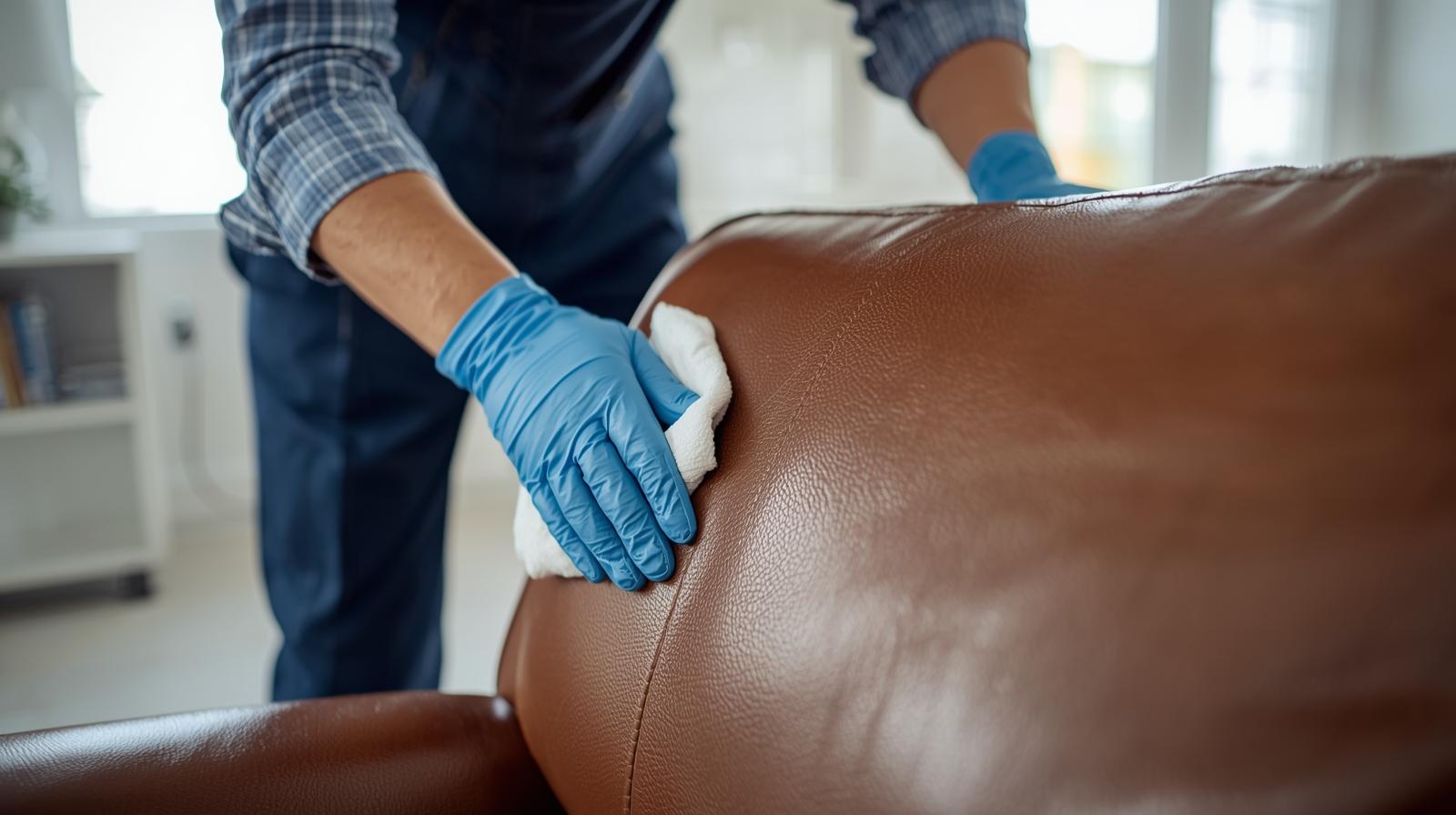
Removing mold damage on leather can be a challenge, especially when moisture and humidity from leaks or floods create ideal conditions for mold to grow. At Coast View Plumbing & Restoration, we’ve helped countless Los Angeles homeowners restore their valuable leather items after water or mold exposure. From leather sofas and jackets to car interiors, the right cleaning and drying methods make all the difference in preserving quality and preventing long-term deterioration.
If you’re dealing with leather mold right now, don’t wait, get fast help from our Coast View Plumbing & Restoration experts via our Google Business Profile. We’re available across Greater Los Angeles to restore your items safely and effectively.
Understanding Mold Damage on Leather
Mold thrives in dark, damp, and humid environments. When leather absorbs moisture, whether from a plumbing leak, poor ventilation, or long-term storage, it becomes a perfect place for mold spores to spread. Once established, mold eats into the natural fibers, discoloring the leather and weakening its structure.
Common Causes of Mold on Leather
- Water leaks: Hidden plumbing issues or recent flooding.
- Humidity: Poor ventilation in basements, garages, or closets.
- Improper storage: Keeping leather in plastic covers that trap moisture.
- Temperature shifts: Frequent heating and cooling cycles that create condensation.
In Greater Los Angeles, residents in areas like Victorville, Pomona, San Bernardino, and Rancho Cucamonga often face humidity spikes that encourage mold growth, especially after heavy rains or minor leaks.
Signs of Mold Damage
Identifying mold early makes removal easier and helps prevent spread. Look for:
- White, green, or black spots on the surface
- A damp, musty odor
- Texture changes from smooth to sticky or rough
- Fading, discoloration, or cracking
Ignoring these signs allows spores to spread not just on the leather but throughout your home.
Why You Shouldn’t Ignore Mold on Leather
Mold isn’t just a cosmetic issue. Spores can affect indoor air quality and cause allergic reactions. Mold-contaminated furniture or clothing can also spread the problem to other materials nearby. That’s why professional remediation is crucial to protecting your health and belongings.
When you call Coast View Plumbing & Restoration, our certified technicians use safe, proven methods to remove mold while preserving the leather’s texture, color, and durability.
Step-by-Step Guide to Removing Mold Damage on Leather
Removing mold from leather requires care, patience, and the right cleaning agents. Follow these expert-approved steps to handle small mold patches safely.
Step 1: Prepare the Area
Move the affected item outdoors or into a well-ventilated area. Avoid cleaning leather indoors where spores can spread. Wear gloves and a mask to prevent breathing in mold particles.
Step 2: Brush Off Loose Mold
Use a soft brush or microfiber cloth to gently remove surface mold. Avoid scrubbing harshly, excessive friction can damage leather pores. Dispose of the cloth or brush afterward to stop cross-contamination.
Step 3: Clean with Vinegar or Alcohol Solution
Mix one part white vinegar or 70% isopropyl alcohol with one part water. Dampen a cloth with the solution and wipe the leather carefully. Vinegar’s acidity kills mold without harming most leather surfaces, while alcohol disinfects and evaporates quickly.
Never soak the leather. Excess liquid can cause staining or warping.
Step 4: Dry the Leather Thoroughly
Allow the item to air dry completely. Avoid placing it under direct sunlight for extended periods, as this can fade or crack the leather. A fan or dehumidifier can speed up drying safely.
Step 5: Condition the Leather
Once the item is dry, apply a leather conditioner to restore moisture balance and prevent future cracking. Conditioning keeps leather soft, flexible, and resistant to future mold growth.
If your leather item has deep-set mold, strong odors, or extensive damage, it’s time to call a professional. Our Greater Los Angeles mold remediation experts handle everything from water cleanup to detailed leather restoration.
Preventing Future Mold Growth on Leather
After you’ve removed mold, preventing its return is just as important. Here’s how to protect your leather from future damage.
Control Moisture and Humidity
Mold thrives in moisture. Keep indoor humidity between 30% and 50% using a dehumidifier or air conditioner. Homes in coastal and inland areas like Apple Valley, Lucerne Valley, or Fontana often need consistent moisture control.
Improve Air Circulation
Avoid storing leather in sealed spaces. Open closets and cabinets occasionally to allow airflow. If possible, elevate leather furniture slightly to let air circulate underneath.
Proper Storage Methods
Store leather goods in breathable fabric bags instead of plastic, which traps humidity. For furniture, use cotton covers that allow moisture to escape.
Routine Leather Maintenance
Clean and condition your leather every few months, especially after exposure to moisture. Conditioning helps maintain flexibility and reduces the likelihood of mold spores taking hold.
By following these steps, you can protect your leather investment, and your indoor air quality.
Restoring and Protecting Leather After Mold Removal
After mold removal, leather requires special care to recover fully. Restoration not only improves appearance but also helps protect against future growth.
Rehydrating Leather
Mold and cleaning agents can dry leather out. Use a nourishing conditioner to reintroduce natural oils. Gently massage it in with a clean cloth until absorbed.
Using Mold-Resistant Treatments
Protective sprays designed for leather can help repel moisture and mildew. Always test on a small hidden area before applying it to the entire surface.
Fixing the Source of the Problem
If mold developed due to a plumbing issue or water intrusion, the cause must be fixed. That’s where Coast View Plumbing & Restoration goes beyond cleaning. Our team identifies and repairs leaks, dries affected areas, and restores your property to its original condition.
Professional vs. DIY: Knowing When to Call the Experts
Small mold spots might be manageable on your own, but larger outbreaks require specialized treatment. Professionals use industrial-grade HEPA filters, cleaning agents, and drying equipment to remove mold safely and prevent recurrence.
When you choose Coast View Plumbing & Restoration, you’re getting more than cleaning, you’re getting full-service protection for your home, belongings, and air quality.
FAQs About Removing Mold Damage on Leather
- Can vinegar safely kill mold on leather?
Yes, vinegar is a safe and effective natural cleaner when diluted properly. It kills mold spores and removes odors without damaging most leather surfaces. - Will mold return after cleaning?
It might if humidity or leaks remain unchecked. Ensure proper drying and address moisture sources to keep mold from coming back. - Can I use rubbing alcohol on all types of leather?
Rubbing alcohol is safe for finished leather but may dry out delicate or unfinished surfaces. Always test in an inconspicuous area first. - How can I remove the musty smell from moldy leather?
After cleaning, place the leather item in a ventilated area with activated charcoal or baking soda nearby. These absorb odors naturally over a few days. - When is it better to replace leather instead of cleaning it?
If mold has deeply penetrated the fibers, causing discoloration or weakening, replacement might be the safer option. A restoration professional can assess the condition for you.
Mold damage on leather can spread quickly and reduce the lifespan of your furniture, clothing, or vehicle interior. If you suspect mold growth, don’t ignore it, the longer you wait, the harder it becomes to restore. The safest and most effective approach is to rely on certified professionals who can clean, disinfect, and protect your leather while addressing the source of moisture.
Contact Coast View Plumbing & Restoration today for professional mold removal and leather restoration services in Greater Los Angeles, including Lake Los Angeles, El Mirage, Hesperia, Claremont, Rancho Cucamonga, Fontana, and San Bernardino. Our experienced restoration specialists are ready to restore your home and belongings with care, precision, and trusted expertise.