Categories
Water Damage

Who to Call for Water Damage: Essential Information for Greater Los Angeles Property Owners

Who to call for water damage in Los Angeles California

When water damage strikes your Greater Los Angeles property, knowing who to call for water damage quickly determines whether you face manageable repairs or devastating losses. Water emergencies require immediate professional response to prevent structural deterioration, mold contamination, and escalating restoration expenses. Whether dealing with burst pipes, fire suppression water, roof failures, or plumbing malfunctions, contacting qualified water damage restoration specialists within the first 24 hours is critical for protecting your property throughout Lake Los Angeles, El Mirage, Adelanto, Victorville, Apple Valley, Hesperia, Lucerne Valley, San Bernardino, Pomona, Lytle Creek, Crest Line, Claremont, Rancho Cucamonga, Fontana, and Colton.

Despite Southern California’s reputation for dry weather, water damage remains a serious threat once water enters your building.

Water damage emergency? Contact Coast View Plumbing & Restoration immediately for 24/7 professional water damage restoration throughout Greater Los Angeles.

Why DIY Water Damage Cleanup Fails

Many property owners consider handling water damage cleanup themselves, but this approach typically results in incomplete restoration and long-term damage that costs significantly more than professional services.

Water damage extends far beyond visible surface water. Water infiltrates wall cavities, penetrates beneath flooring, and saturates insulation in ways that aren’t apparent without specialized detection equipment. Household fans and consumer dehumidifiers cannot generate the drying power necessary for thorough structural moisture removal.

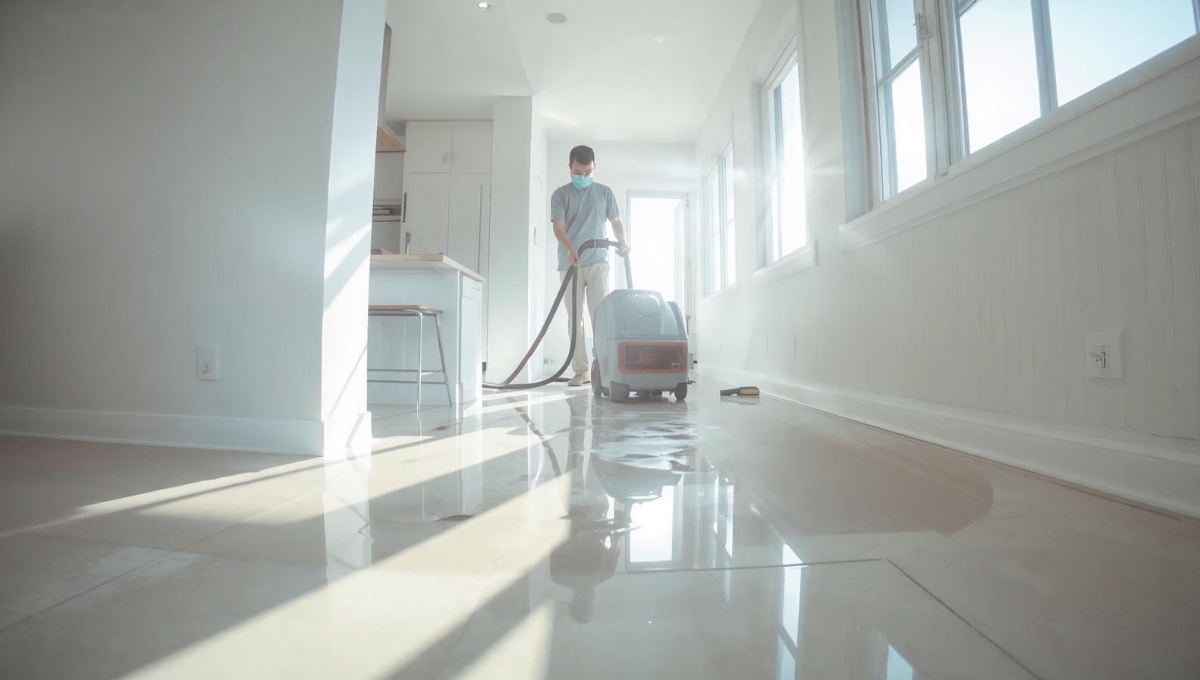
Professional restoration companies deploy industrial equipment designed specifically for water damage. Truck-mounted water extractors remove standing water in minutes. Commercial-grade dehumidifiers process 150 to 200 pints of moisture daily, while consumer units handle only 30 to 50 pints. High-velocity air movers create focused airflow that accelerates evaporation.

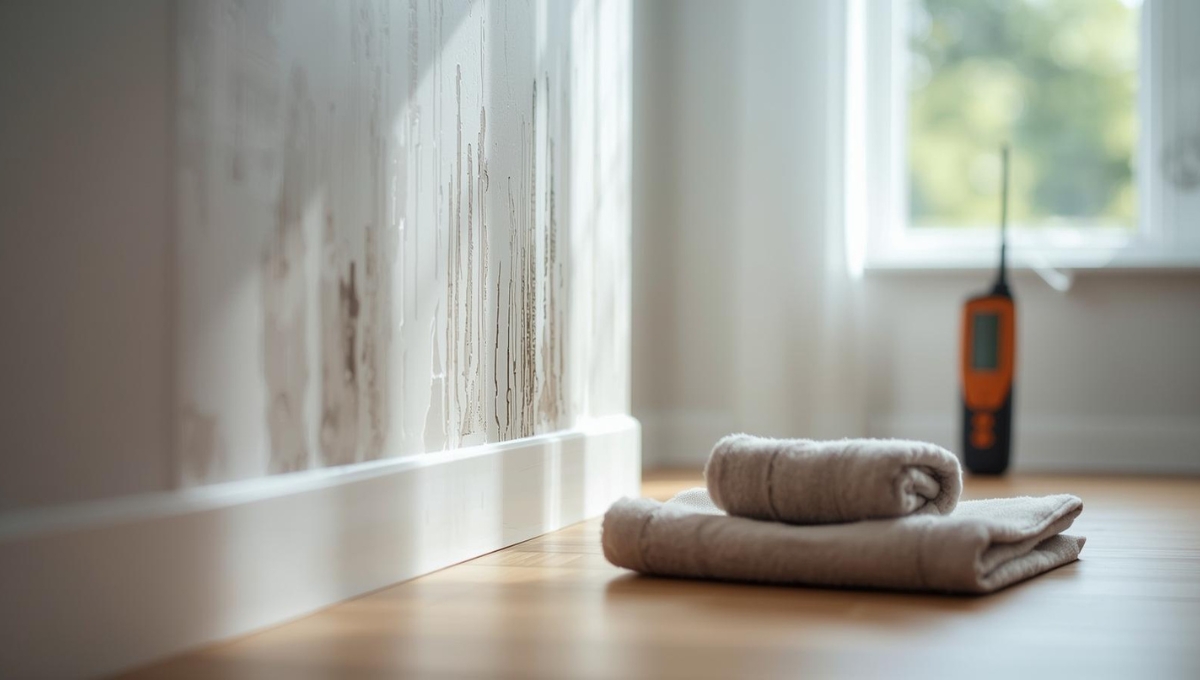
Moisture detection technology allows professionals to identify hidden water accumulation. Infrared thermal imaging cameras visualize temperature differences indicating moisture presence behind walls and above ceilings. Moisture meters measure exact moisture content in materials.

Professional restorers understand that different materials require different drying approaches, preventing both inadequate drying that enables mold growth and aggressive approaches that cause unnecessary damage. Insurance claim support represents another crucial advantage, as restoration companies document damage thoroughly and advocate for appropriate settlements.

Emergency Situations Requiring Immediate Professional Response

Certain water damage scenarios pose such serious risks that professional intervention cannot be delayed.

Critical Emergencies Demanding Immediate Action:

  1. Category 3 Contaminated Water: Sewage contact or water from outside flooding contains dangerous pathogens requiring specialized cleanup protocols.
  2. Significant Water Volume: Standing water exceeding two inches depth requires professional truck-mounted extraction systems.
  3. Unknown Water Sources: Water appearing without clear origin indicates hidden failures requiring professional diagnosis.
  4. Structural Safety Concerns: Sagging ceilings, buckling floors, and bowing walls indicate dangerous structural compromise.
  5. Electrical System Contact: Water near electrical panels or components creates serious electrocution hazards.
  6. Fire Suppression Water Damage: Water used to extinguish fires mixes with soot and chemicals, creating contamination requiring specialized cleanup.

Identifying Qualified Water Damage Restoration Professionals

When emergency strikes, several key factors distinguish qualified professionals.

Essential Professional Qualifications:

  • True 24/7 Emergency Availability: Round-the-clock staffing and rapid dispatch
  • Regional Presence: Companies operating throughout Greater Los Angeles arrive faster
  • Complete Licensing and Insurance: Verify California contractor licenses and comprehensive coverage
  • Industry Certifications: IICRC certification and ongoing technician training
  • Advanced Equipment Investment: Modern equipment fleets indicate commitment to effective restoration
  • Insurance Industry Experience: Proven track record working with major carriers
  • Comprehensive Service Offerings: Complete services from emergency extraction through final reconstruction

Professional Water Damage Restoration Process Overview

Understanding proper restoration procedures helps you evaluate whether companies follow industry-standard protocols.

Complete Restoration Process:

  1. Emergency Contact and Dispatch: Professional companies dispatch fully-equipped technicians immediately, typically arriving within one to two hours.
  2. Comprehensive Inspection: Technicians conduct thorough assessments, identifying water sources, classifying contamination levels, and evaluating damage extent.
  3. Rapid Water Extraction: Using powerful extraction systems, professionals remove standing water quickly.
  4. Moisture Detection: Advanced equipment creates detailed moisture maps with monitoring protocols tracking progress.
  5. Structural Drying Operations: Industrial dehumidifiers and air movers operate continuously for three to seven days.
  6. Thorough Cleaning and Sanitization: Comprehensive cleaning removes contaminants, antimicrobial treatments address concerns, and deodorization eliminates odors.
  7. Complete Restoration: Final phase includes repairs from minor tasks to major reconstruction.

Greater Los Angeles Water Damage Challenges

Properties throughout Greater Los Angeles face unique water damage risks related to geography and climate variations.

Earthquake vulnerability creates water damage risks beyond those in other regions. Seismic activity can rupture water lines, damage plumbing connections, and compromise building waterproofing. Properties require restoration professionals who understand seismic considerations.

Climate diversity across Greater Los Angeles creates varied water damage scenarios. Desert communities like Lake Los Angeles and El Mirage experience extreme temperature fluctuations stressing plumbing systems. Mountain communities including Crest Line face winter freeze risks. Inland areas deal with intense summer heat affecting roofing systems.

Fire suppression water represents a unique concern in fire-prone Southern California. Firefighting efforts introduce substantial water volumes that mix with soot, ash, and fire retardant chemicals, requiring specialized restoration approaches.

Older infrastructure includes properties with aging plumbing systems, outdated roofing, and deteriorating waterproofing that fail more frequently.

Frequent Water Damage Causes

Understanding common water damage sources helps property owners recognize problems early.

Common Water Damage Sources:

  • Burst pipes from pressure surges or age-related failures
  • Failed water heater tanks flooding properties
  • Roof leaks from deteriorated materials
  • Fire sprinkler activations and firefighting water
  • Washing machine supply hose failures
  • Slab leaks from underground plumbing
  • HVAC condensate line clogs
  • Dishwasher and refrigerator line failures
  • Flash flooding during intense rainfall events

Each scenario presents unique challenges requiring professional expertise.

Advantages of Local Restoration Specialists

When water damage occurs, local restoration companies offer significant benefits.

Response time proves critical. Each hour water contacts building materials increases damage severity and costs. Local companies dispatch technicians from nearby locations, arriving within one to two hours. This rapid response prevents damage progression and can save thousands.

Regional expertise provides invaluable advantages. Companies operating throughout Greater Los Angeles understand diverse challenges across communities. They’re familiar with local building types, construction methods, regional codes, and insurance providers.

Community accountability drives exceptional service. Local businesses build reputations on neighbor satisfaction. Their success depends on providing excellent service that generates referrals.

Coast View Plumbing & Restoration exemplifies these local advantages, serving communities throughout Greater Los Angeles with deep regional roots, immediate response capabilities, and comprehensive restoration expertise.

Important Questions Before Hiring

Before committing to any restoration company, ask critical questions revealing their capabilities.

Essential Pre-Hiring Questions:

  • How quickly can you respond to my location?
  • What certifications do your technicians possess?
  • Do you employ your own crews or subcontract?
  • Will you handle insurance claims coordination?
  • What specific equipment will you use?
  • Can you provide recent customer references?
  • Do you offer complete restoration services?
  • What warranties do you provide?

Professional companies answer these questions thoroughly and demonstrate expertise.

Financial Impact of Delaying Professional Restoration

Property owners sometimes postpone calling professionals, but this delay invariably increases total expenses.

Water damage spreads continuously. Initial damage confined to one area migrates to adjacent spaces as water seeps through materials. Each hour of delay expands the affected area substantially.

Mold colonization becomes probable within 24 to 48 hours. Once mold establishes colonies, remediation requires specialized containment, material removal, antimicrobial treatment, and verification testing, far exceeding early water extraction expenses.

Material deterioration accelerates continuously while moisture persists. Wood framing begins rotting, drywall becomes soft, flooring adhesives fail, and subflooring delaminates. Materials potentially salvageable through immediate drying require complete replacement after prolonged exposure.

Insurance coverage complications arise from delayed mitigation. Property insurance policies require policyholders to prevent additional damage through reasonable prompt action. Days of delay can provide insurers justification for claim denials or reductions.

Actions to Take Before Professional Arrival

After contacting professional restoration services, several immediate steps help minimize ongoing damage.

Stop water flow immediately if possible by shutting off water supply at the source or main valve. Document existing damage comprehensively using photographs and videos. Remove valuable items including furniture, electronics, and important documents from affected areas if you can do so safely.

Place aluminum foil or plastic barriers under furniture legs remaining on wet flooring. Open doors to closets and cabinets, improving air circulation. Wipe excess water from furniture surfaces to prevent finish damage.

Never enter areas presenting electrical hazards, structural safety concerns, or sewage contamination. These dangerous situations require professional equipment and expertise.

Securing Professional Help Throughout Greater Los Angeles

When water damage threatens your Greater Los Angeles property, immediate professional response protects your investment and prevents long-term problems. Knowing who to call for water damage eliminates dangerous delays and ensures expert restoration.

Professional water damage restoration demands specialized knowledge, commercial-grade equipment, and rapid response capabilities that DIY approaches cannot provide. Attempting to handle significant water damage yourself or delaying professional help leads to increased expenses, extensive deterioration, and potential health hazards.

Selecting the right restoration company matters tremendously. Local specialists understanding Greater Los Angeles’s unique challenges across diverse communities, responding immediately to emergencies, and providing comprehensive services deliver the best outcomes.

Don’t let water damage destroy your property or compromise your family’s health. Contact Coast View Plumbing & Restoration today for immediate professional water damage restoration services throughout Greater Los Angeles.
Categories
Mold Remediation Water Damage

Is Mold from Water Damage Dangerous? What Greater Los Angeles Property Owners Must Know

Is Mold from Water Damage Dangerous

Is mold from water damage dangerous for your family’s health and your property’s value? Absolutely. When water enters your Greater Los Angeles area home through pipe bursts, roof leaks, flooding, or fire suppression efforts, it establishes ideal conditions for mold growth that can begin within just 24 hours. This rapid colonization introduces health hazards ranging from respiratory irritation to serious infections while simultaneously degrading building materials and compromising your property’s structural stability and market value.

For residents throughout Lake Los Angeles, El Mirage, Adelanto, Victorville, Apple Valley, Hesperia, Lucerne Valley, San Bernardino, Pomona, Lytle Creek, Crest Line, Claremont, Rancho Cucamonga, Fontana, and Colton, understanding the genuine dangers of water damage mold is essential for protecting both your investment and the people who occupy your buildings.

Experiencing water damage in your Greater Los Angeles property? Contact Coast View Plumbing & Restoration now for immediate professional water extraction and mold prevention services.

The Science Behind Water Damage and Mold Development

Mold spores are ubiquitous microscopic organisms that exist in virtually every environment, floating through outdoor and indoor air in dormant states. These resilient spores can remain viable for years, germinating only when they encounter the moisture necessary to support fungal growth.

The timeline of mold development after water exposure follows a predictable pattern:

  1. First 24 hours: Mold spores land on water-saturated surfaces and begin absorbing moisture
  2. 24-48 hours: Germination commences as spores extend hyphae to penetrate porous materials
  3. 72 hours: Visible mold colonies often appear and begin producing thousands of new spores
  4. One week: Colonies penetrate deeply into building materials, making remediation more challenging

California’s climate presents unique considerations for mold development. While the Greater Los Angeles region experiences lower ambient humidity than many parts of the country, water intrusion events create localized high-humidity environments within buildings where mold thrives. Desert communities like Lake Los Angeles and El Mirage face particular risks because residents may underestimate mold dangers in arid climates.

The reality is that once water saturates building materials, external humidity levels become irrelevant. The enclosed wet environment provides everything mold needs to flourish.

Documented Health Risks of Mold Exposure

The health consequences of mold exposure range from mild irritation to severe medical complications, depending on mold species, concentration levels, exposure duration, and individual susceptibility.

Common Health Symptoms:

  • Nasal congestion and sore throat
  • Persistent coughing and wheezing
  • Eye irritation and watery eyes
  • Skin rashes and hives
  • Headaches and fatigue

High-Risk Populations:

Certain groups face elevated risks:

  • Asthma sufferers: Medical research establishes that mold exposure increases asthma attack frequency and severity
  • Children: Developing respiratory systems, higher breathing rates, and more time at floor level increase exposure
  • Immunocompromised individuals: Risk of invasive fungal infections affecting bloodstream, brain, and other organs
  • Elderly individuals: Decreased immune function increases vulnerability to mold-related illness
  • Pregnant women: Some research suggests potential developmental risks

Toxic Mold Concerns:

Certain mold species produce mycotoxins, poisonous chemical compounds causing health effects even in immunocompetent individuals. Stachybotrys chartarum (black mold) produces particularly potent mycotoxins associated with:

  • Neurological symptoms including headaches and difficulty concentrating
  • Chronic fatigue and memory problems
  • Mood disturbances
  • Pulmonary hemorrhage in severe exposure cases

While black mold receives significant media attention, many other mold species also produce mycotoxins that warrant serious concern.

Property Damage and Financial Consequences

Beyond health implications, mold inflicts substantial and progressive destruction on building structures while creating significant financial burdens.

Structural Damage:

  • Wood components: Floor joists, wall studs, roof rafters, and beams suffer serious degradation
  • Drywall: Paper facing provides excellent nutrition; contaminated sections require replacement
  • Insulation: Loses thermal performance and typically cannot be salvaged
  • Flooring: Hardwood warps, carpet becomes contaminated, subflooring may require replacement

Financial Impact:

Property damage extends beyond direct remediation costs:

  • Decreased property values: Real estate transactions stall when mold is discovered
  • Price reductions: Buyers demand lower prices or expensive remediation before closing
  • Limited buyer pool: Some buyers avoid properties with documented mold histories
  • Insurance complications: Companies may drop coverage or substantially increase premiums after claims
  • Rental property liability: Landlords face potential lawsuits if tenants experience mold-related health problems

In earthquake-prone Southern California, compromised structural members create additional safety concerns beyond normal collapse risks.

Water Damage Sources in Greater Los Angeles Communities

Understanding how water enters Greater Los Angeles properties helps you recognize vulnerabilities and implement preventive strategies.

Common Water Damage Causes:

  • Plumbing failures: Burst supply lines, corroded pipes, failed water heaters, and deteriorated flexible connectors
  • Roof leaks: Deteriorated shingles, failed flat roof membranes, damaged tiles, cracked flashing, and blocked drains
  • Fire suppression water: Sprinkler activations and firefighting efforts introduce substantial water volumes
  • HVAC issues: Condensate line clogs, drain pan overflows, evaporative cooler leaks, and duct condensation
  • Appliance malfunctions: Water heater, washing machine, dishwasher, and refrigerator failures
  • Foundation and slab leaks: Underground plumbing leaks beneath concrete slabs
  • Flash flooding: Intense storms can overwhelm drainage systems in low-lying areas

In high-desert communities like Victorville and Hesperia, intense sun exposure accelerates roofing material degradation, creating vulnerabilities that manifest as leaks during infrequent but sometimes heavy rainfall events.

Identifying Mold Presence After Water Events

Recognizing mold quickly enables prompt intervention before contamination becomes extensive and remediation costs escalate.

Visible Indicators:

  • Discolored patches in various colors (black, green, white, gray, brown, orange, pink)
  • Fuzzy, powdery, slimy, or velvety textures
  • Water stains and discoloration (yellowish, brownish, or copper-colored marks)
  • Warped, buckled, or deteriorating materials
  • Floors feeling soft or spongy when walked upon
  • Peeling or bubbling paint and wallpaper

Hidden Mold Indicators:

  • Persistent musty, earthy, or dank odors
  • Respiratory symptoms or allergic reactions that worsen in specific areas
  • Health issues that improve when leaving the property
  • Symptoms that began or intensified after known water damage events

If you detect any of these indicators, hidden mold likely exists behind walls, above ceilings, or beneath flooring requiring professional investigation.

Why Professional Remediation Is Non-Negotiable

The complexity of proper mold remediation, specialized equipment required, and health risks involved make professional services essential rather than optional.

Critical Professional Capabilities:

  1. Containment procedures: Physical barriers and negative air pressure prevent spore dispersal during removal work
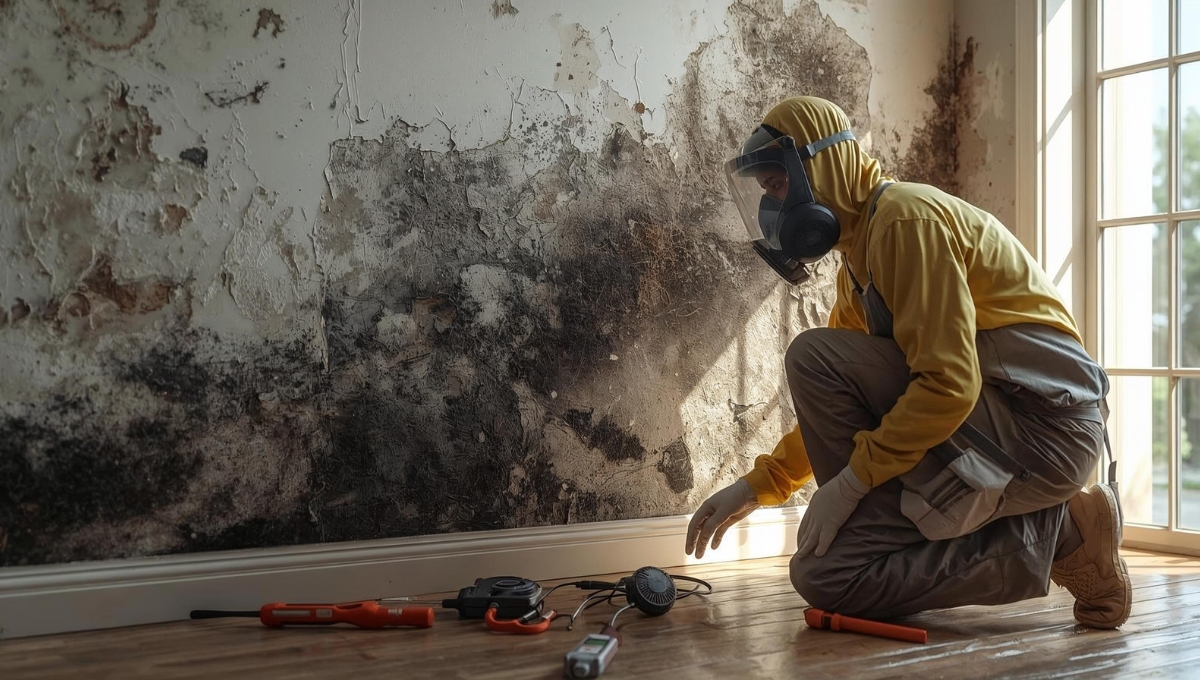
  2. Personal protective equipment: Respirators with HEPA filters, full-body disposable suits, nitrile gloves, and eye protection
  3. Complete structural drying: Industrial dehumidifiers, high-velocity air movers, and moisture detection instruments
  4. Material assessment: Expertise determining salvageability versus required disposal
  5. Proper disposal: Contaminated materials sealed in heavy plastic bags within containment areas
  6. Documentation: Work records for insurance claims and compliance verification

Coast View Plumbing & Restoration employs certified technicians who follow industry-standard remediation protocols, use professional-grade equipment, and maintain comprehensive insurance coverage. The company understands the unique challenges facing Greater Los Angeles properties and adapts approaches to address regional considerations including seismic concerns, varying climate zones, and building code requirements.

The Critical Timeline: Why Immediate Response Matters

Time is your enemy following water damage. Each hour that passes without proper mitigation increases mold development risk and expands the scope of necessary remediation.

Critical Action Windows:

  • First 24 hours: Immediate water extraction, rapid structural drying, and preventive antimicrobial application can stop spores from germinating
  • 24-72 hours: Mold prevention becomes more challenging as spores begin germinating on wet surfaces
  • Beyond 72 hours: Visible mold colonies typically emerge; situation transforms from prevention to remediation
  • After one week: Mold colonies become well-established with deep material penetration

Financial Implications:

Costs increase substantially with delayed response. Materials that could have been saved with immediate response may now require replacement. The scope of work expands from water extraction and drying to include containment, material removal, cleaning, and disposal.

Insurance Considerations:

Insurance policy provisions typically require policyholders to mitigate damage promptly to prevent unnecessary loss escalation. Delays provide insurers justification for limiting or denying coverage, leaving you personally responsible for potentially tens of thousands of dollars in remediation costs.

For Greater Los Angeles property owners, even in arid climates, these timeframes remain relevant. Once water enters buildings, external humidity becomes irrelevant as enclosed wet environments provide perfect conditions for mold.

Comprehensive Restoration Services for Your Property

Coast View Plumbing & Restoration provides complete water damage restoration and mold remediation services throughout the Greater Los Angeles region.

Service Offerings:

  • Emergency water extraction: Truck-mounted and portable equipment removes standing water quickly
  • Structural drying: Industrial dehumidifiers and high-velocity air movers remove moisture from materials and cavities
  • Mold remediation: IICRC-standard containment, removal, cleaning, and verification procedures
  • Fire damage restoration: Addresses both direct fire damage and water damage from suppression efforts
  • Plumbing services: Repairs underlying causes of water damage including burst pipes and failed water heaters

The company serves diverse communities throughout Lake Los Angeles, El Mirage, Adelanto, Victorville, Apple Valley, Hesperia, Lucerne Valley, San Bernardino, Pomona, Lytle Creek, Crest Line, Claremont, Rancho Cucamonga, Fontana, and Colton, understanding that each area presents unique characteristics and challenges.

Preventive Measures to Protect Your Property

While professional remediation addresses existing problems, preventive strategies reduce water damage and mold risks.

Regular Maintenance:

  • Inspect roofs for damaged or missing materials
  • Check attics for leak evidence or inadequate ventilation
  • Look for plumbing leaks under sinks and around appliances
  • Replace washing machine hoses every five years
  • Have water heaters professionally inspected annually
  • Verify main water shutoff valve operates smoothly

Proactive Upgrades:

  • Install water leak detection devices in high-risk areas
  • Upgrade older plumbing systems (galvanized steel or polybutylene pipes)
  • Consider whole-house water shutoff systems for abnormal flow detection
  • Ensure proper property grading directs water away from foundations

Immediate Response:

  • Address minor water intrusions immediately, even if they seem insignificant
  • Never assume limited water exposure will dry adequately on its own
  • Know your main water shutoff valve location

Property-Specific Actions:

  • In high-desert areas, have professional roof inspections every few years
  • Service roof systems by replacing damaged materials promptly
  • Clear debris from valleys and drainage points

Taking Decisive Action to Protect Your Investment

Is mold from water damage dangerous? The scientific evidence and documented health cases clearly establish that mold poses genuine risks to human health while causing substantial property damage that diminishes your investment value.

For Greater Los Angeles property owners, understanding these dangers and knowing when to engage professional assistance can prevent minor water intrusions from becoming major health hazards and financial burdens.

If you’ve experienced any water damage event, discovered mold growth, or notice persistent musty odors in your property, professional assessment and remediation are essential. Early detection and proper intervention prevent minor issues from escalating while protecting the health of your family, employees, or tenants.

The cost of professional water damage mitigation and mold remediation represents sound investment compared to the alternatives. Proper response protects your valuable property asset, maintains healthy indoor environments, prevents serious structural deterioration, and preserves property values.

Your Greater Los Angeles property deserves expert care when water damage or mold threatens its integrity and your health. Professional restoration specialists provide the knowledge, commercial-grade equipment, and proven protocols necessary to address these challenges effectively.

Don’t risk your health or property value by delaying response to water damage or attempting inadequate DIY mold remediation. Contact Coast View Plumbing & Restoration today for immediate professional water damage restoration and mold remediation services throughout the Greater Los Angeles region.

Categories
Water Damage

Water Damage Costa Mesa: What Homeowners Need To Know Right Now

Water Damage Costa Mesa Experts

Water damage Costa Mesa issues are among the most stressful problems a homeowner can face, especially when they strike without warning. Whether it is a sudden plumbing failure, an undetected leak, or storm-related flooding, water intrusion in your home can quickly escalate into structural deterioration, health risks, and costly repairs if not handled correctly. Residents across Costa Mesa and the Greater Los Angeles region, from Victorville to Rancho Cucamonga to Lake Los Angeles, experience a combination of aging plumbing systems, temperature changes, and environmental conditions that make fast response and expert restoration essential.

When water spreads through walls, floors, and insulation, the clock starts ticking. Materials weaken, moisture pockets expand, and mold begins developing far sooner than most homeowners realize. That is why having a trusted professional team on standby makes all the difference. With the right approach, the damage can be contained, your home restored, and additional problems prevented before they take hold.

If you notice water where it should not be, do not wait and see. Act quickly and rely on trained specialists who can inspect, mitigate, and restore your home with precision. Local knowledge matters, especially in areas where temperature swings, plumbing stress, and older construction can increase the risk of severe water damage.

If you are dealing with water damage right now, Contact us now.

Understanding Water Damage in Costa Mesa and the Greater Los Angeles Area

The climate and construction patterns across Costa Mesa and the surrounding Los Angeles communities create unique risks that often catch homeowners off guard. Many neighborhoods feature older homes with original plumbing, while others experience shifting soil and fluctuating temperatures that place stress on pipes and joints. Even newer homes can suffer water damage from failing appliances, roofing issues, or unexpected storms.

Common causes of water damage in Costa Mesa:

  • Plumbing leaks and burst pipes

  • Slab leaks beneath flooring

  • Broken or aging water heaters

  • Roof leaks from storms or worn materials

  • Overflowing tubs, sinks, or toilets

  • Appliance failures such as dishwashers and washing machines

In regions such as:

  • Adelanto

  • Hesperia

  • Apple Valley

  • Victorville

  • Lake Los Angeles

  • Rancho Cucamonga

  • Pomona

  • Colton

  • Fontana

temperature extremes can accelerate pipe damage. Meanwhile, coastal humidity in Costa Mesa often contributes to condensation issues that lead to hidden moisture buildup.

Early signs of hidden water damage:

  • Bubbling or peeling paint

  • Warped or buckling flooring

  • Musty odors in closed rooms

  • Stained or discolored walls

  • Warm or cold spots on floors

  • Higher-than-normal water bills

Even small signs like these can indicate water moving behind walls or under flooring, where it can cause far more damage than what appears on the surface.

The Water Damage Restoration Process: What Happens When Experts Arrive

Restoring a water damaged home is a detailed procedure that requires advanced tools and precise techniques. When technicians from Coast View Plumbing & Restoration arrive, they follow a structured process to ensure every part of the home is evaluated and protected.

Here is the typical restoration process:

1. Inspection and Damage Assessment

Professionals identify:

  • The source of the water

  • The water category

  • The areas affected

  • The structure’s immediate risks

This step helps determine the safest and most effective restoration plan.

2. Water Extraction

Using industrial extraction equipment, technicians remove standing water to stop further absorption into materials like:

  • Wood framing

  • Drywall

  • Flooring

  • Carpeting

  • Insulation

3. Drying and Dehumidification

Powerful air movers and dehumidifiers eliminate moisture trapped deep inside the structure. Moisture meters and thermal imaging help detect hidden pockets of water.

4. Cleaning and Sanitizing

To ensure a safe living environment, technicians may perform:

  • Antimicrobial treatments

  • Surface cleaning

  • Odor neutralization

  • HVAC inspection and clearing

5. Restoration and Repairs

Depending on the severity of damage, this may include:

  • Replacing drywall

  • Repairing or reinstalling flooring

  • Fixing damaged plumbing

  • Restoring cabinetry

  • Painting and finishing

This structured approach ensures your home is returned to a safe, healthy condition.

Why Fast Action Matters: The Hidden Dangers of Delayed Water Damage Response

Water damage becomes progressively worse the longer it remains untreated. Moisture spreads faster than most homeowners realize and can compromise the structure of a home in just hours.

Here is what happens when response is delayed:

1. Within Minutes

  • Water spreads across floors

  • Porous materials begin absorbing moisture

  • Carpets and pads saturate

2. Within Hours

  • Drywall begins to swell

  • Musty odors begin forming

  • Wood framing absorbs moisture

3. Within Days

  • Mold begins developing

  • Structural components weaken

  • Flooring warps or separates

  • Electrical hazards may appear

Key dangers of delaying cleanup:

  • Weakening of the home’s structure

  • Long-term mold contamination

  • Damage to electrical systems

  • Lower indoor air quality

  • Greater reconstruction needs later

In inland cities like Victorville, Adelanto, or Apple Valley, temperature fluctuations cause materials to expand and contract, making homes even more susceptible to moisture penetration. Coastal conditions in Costa Mesa add humidity that accelerates mold growth.

Immediate action is the best way to prevent these issues from escalating.

Choosing the Right Water Damage Restoration Company in Costa Mesa

Selecting a qualified restoration company is essential for protecting your home. A fast response combined with professional experience ensures the damage is handled correctly from start to finish.

What to look for in a restoration company:

  • Experienced technicians

  • Local knowledge of construction styles

  • Advanced drying equipment

  • Clear communication

  • Documentation and assessments

  • Full plumbing and restoration services

  • Mold prevention expertise

Coast View Plumbing & Restoration provides all of these services under one roof, eliminating the need to hire multiple contractors. Their team handles:

  • Leak detection

  • Plumbing repairs

  • Water extraction

  • Drying and dehumidification

  • Mold treatment

  • Reconstruction and repair

Questions to ask before hiring:

  1. How quickly can you arrive?

  2. Do you provide full plumbing repair?

  3. What equipment will you use for drying?

  4. Do you check for hidden water pockets?

  5. Do you assist with documentation for insurance?

Red flags to avoid:

  • Vague estimates

  • No documented process

  • Long delays in response

  • Pressure to commit immediately

  • Lack of proper equipment

  • No local references

Local experience also matters. Homes in Greater Los Angeles vary widely by age and construction type. A team familiar with these variations can work more effectively and provide long-term solutions.

Act now to protect your home. Contact us today for fast help!

Categories
Water Damage

Water Damage Restoration Seal Beach: Protecting Your Home and Health

Water Damage Restoration Seal Beach Experts

Water damage restoration Seal Beach is a critical service for homeowners who want to protect their property, health, and long-term investment. Living in a coastal Southern California community means dealing with humidity, salt air, and weather patterns that can intensify water-related problems inside a home. When water damage strikes, the impact can be immediate and overwhelming, especially if the issue involves a burst pipe, storm infiltration, or a hidden leak. Acting fast and relying on trained restoration professionals can help prevent mold growth, structural deterioration, and unnecessary stress.

If you need fast help, contact our team today through our Google Business Profile.

What Homeowners in Seal Beach Should Know About Water Damage

Seal Beach’s coastal charm also comes with increased moisture in the air, which can make water damage more severe if not handled promptly. Many local residents experience issues tied to aging plumbing systems, slab leaks, roof vulnerabilities, and appliance failures. Even a small leak can escalate quickly when humidity levels are already high.

Common causes of water damage in Seal Beach include:

  • Burst or leaking pipes

  • Weather-related roof damage

  • Faulty water heaters or washing machine hoses

  • Storm runoff entering garages or crawl spaces

  • Slow leaks inside walls, ceilings, or cabinetry

The danger is not always visible. Water travels silently behind drywall, flooring, and insulation, often creating mold colonies in as little as 24 to 48 hours. Mold thrives especially well in coastal climates, making quick professional intervention essential. Mold spores not only compromise indoor air quality but can cause health concerns for family members with allergies or respiratory sensitivities.

Untreated water damage can also weaken structural elements like framing, subfloors, and joists. What starts as a small wet spot can turn into a larger and much more expensive problem later. While handling the cleanup yourself may seem less expensive at first, improper drying often leads to repeated repairs or additional restoration needs.

Seal Beach homeowners rely on professional restoration companies because trained technicians understand how to detect hidden moisture and prevent secondary damage. This is where a trusted local team like Coast View Plumbing & Restoration becomes essential. Having both plumbing and restoration services under one company ensures the problem is resolved from start to finish without delays or guesswork.

Our Water Damage Restoration Process for Seal Beach Homes

Water damage restoration is not just about drying a wet carpet or removing standing water. A thorough process must be followed to ensure the home is safely restored, fully dried, and protected from future complications.

1. Emergency Response and Detailed Inspection

Our team responds quickly to Seal Beach homes because time is the most important factor in reducing damage. Once on site, technicians perform an initial inspection to identify the water source, classify the type of water, and determine the extent of damage.

2. Advanced Moisture Detection

Water often hides behind surfaces that look dry from the outside. Our team uses meters, thermal imaging, and mapping technology to locate moisture in walls, flooring, insulation, and structural components.

3. Water Extraction

Standing water must be removed as soon as possible to stop it from spreading. High-powered extraction equipment pulls out water far more effectively than consumer-grade wet vacuums. This step also helps shorten the drying time.

4. Structural Drying and Dehumidification

Air movers and industrial dehumidifiers are strategically placed to create a rapid drying environment. This process may take several days depending on the severity of the damage and the humidity level inside the home.

5. Sanitizing and Odor Removal

Water intrusion can bring contaminants depending on the source. Surfaces are sanitized to maintain safety and prevent microbial growth. Odors caused by moisture or mold are treated with professional-grade solutions.

6. Restoration and Preventing Secondary Damage

Once the home is dry, our team assesses the need for repairs such as drywall replacement, flooring restoration, or structural reinforcement. Because Seal Beach is prone to moisture, preventing secondary damage is a major priority. Our methods reinforce long-term protection rather than just surface-level repair.

Using a professional restoration process ensures the home is returned to a safe, dry, and comfortable condition. Attempting to handle the damage without expert help often leads to incomplete drying, mold issues, and future problems that are more expensive to handle.

Why Seal Beach Relies on Coast View Plumbing & Restoration

Homeowners throughout Seal Beach and Greater Los Angeles trust Coast View Plumbing & Restoration because of the company’s reputation for thorough, reliable, and safety-focused restoration services. The business serves a wide range of communities including Lake Los Angeles, El Mirage, Adelanto, Victorville, Apple Valley, Hesperia, Lucerne Valley, San Bernardino, Pomona, Lytle Creek, Crest Line, Claremont, Rancho Cucamonga, Fontana, Colton, and surrounding areas. This regional experience helps the team understand the unique needs of both coastal and inland properties.

Local Knowledge and Specialized Training

Water, mold, and fire restoration require technical expertise. Our team has hands-on experience with structural drying, mold prevention, moisture control, and plumbing diagnostics. This makes us uniquely equipped to solve the root cause of the problem, not just the symptoms.

Full-Service Plumbing and Restoration

Many restoration companies cannot fix the plumbing issue that caused the damage. Coast View offers both, meaning the leak or pipe failure is stopped immediately, preventing additional damage. This also eliminates the need to coordinate multiple contractors, speeding up the entire process.

Reliable Communication and Customer Care

Property damage is stressful, and our team prioritizes clear communication. Homeowners are updated throughout the process, and all decisions are explained in detail. This aligns with Google’s helpful content principles that emphasize clarity, expertise, and user-first value in all information provided .

Licensed, Insured, and Safety-Oriented

We follow industry-best practices and ensure all restoration services meet safety guidelines. Protecting your home and family is the top priority.

Avoiding the Risks of DIY Restoration

While DIY cleanup may seem less expensive, improper drying often leads to mold growth, hidden water pockets, and structural issues. These outcomes are usually more expensive to correct in the long run. Professional restoration is designed to prevent these long-term problems and protect your home’s value.

Preventing Future Water Damage in Seal Beach Properties

Seal Beach homeowners can reduce the risk of future water damage by taking proactive measures that address plumbing, moisture, and maintenance concerns.

Plumbing Maintenance

Coastal environments cause pipes and fixtures to age differently due to salt air exposure. Having your plumbing system inspected regularly can help you catch small problems before they turn into emergencies.

Warning Signs of Hidden Leaks

Homeowners should watch for:

  • Soft or bubbling drywall

  • Musty odors

  • Unexpectedly high water bills

  • Warm or cold spots on walls

  • Discolored flooring or ceiling stains

Catching these signs early can make recovery less expensive and help avoid major restoration needs.

Controlling Indoor Humidity

Using dehumidifiers, maintaining good ventilation, and ensuring bathrooms and kitchens are properly exhausted can prevent moisture buildup.

Protecting Vulnerable Areas

Garages, crawl spaces, and attics often collect moisture. Routine inspections help prevent long-term damage.

Professional Inspections

Scheduling a leak detection or moisture inspection gives you peace of mind and helps ensure your home stays dry year-round.

FAQ: Water Damage Restoration Seal Beach

1. How quickly should I call a professional for water damage in my Seal Beach home?

You should contact a professional immediately. Water spreads quickly and can lead to mold growth or structural problems if not addressed right away.

2. What is the typical restoration process for coastal properties?

The process includes inspection, water extraction, moisture mapping, drying, dehumidification, sanitizing, and restoring affected areas.

3. Can water damage lead to mold growth in Seal Beach’s humid climate?

Yes. Seal Beach’s coastal humidity speeds up mold growth. Professional drying is essential to prevent mold from forming within walls and flooring.

4. Does homeowners insurance usually cover water damage restoration?

Coverage depends on the cause. Sudden and accidental damage is often covered, but gradual issues may not be. Policies vary widely.

5. Why choose a local Seal Beach restoration company instead of a national franchise?

Local companies understand the area’s building styles, climate, and common problems. They often provide faster response times and more personalized service.

For fast, professional help with water damage in Seal Beach, contact our team today!


Categories
Mold Remediation Water Damage

Mold in Carpet from Water Damage: Causes, Risks, and How to Fix It Fast

Mold in Carpet from Water Damage

Mold in carpet from water damage can quickly become a serious problem for homeowners in Greater Los Angeles. When moisture seeps into your flooring, it doesn’t just damage the carpet, it threatens your air quality, your health, and even your home’s structural integrity. At Coast View Plumbing & Restoration, our team specializes in identifying, cleaning, and restoring water-damaged areas before mold spreads beyond control.

If you notice musty odors or damp carpet after a leak or flood, don’t wait. Call our experts today through Google and schedule a free on-site inspection.

Understanding How Water Damage Leads to Mold in Carpet

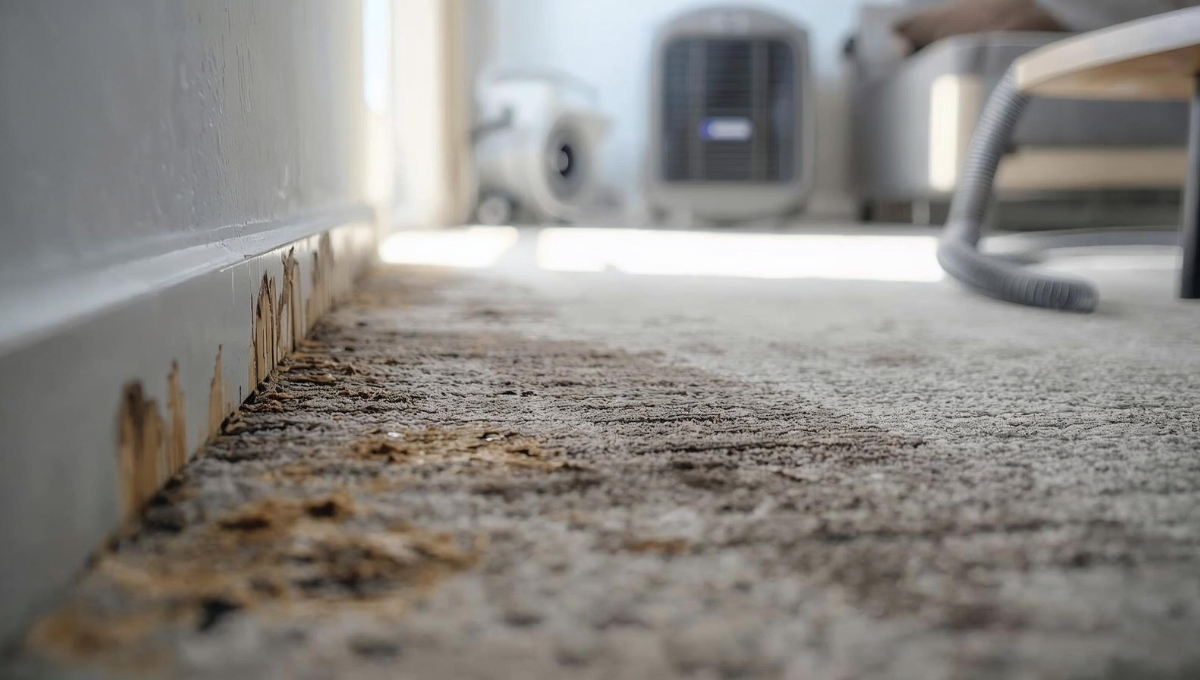
Carpeted flooring is one of the first places mold takes hold after water exposure. When leaks, floods, or burst pipes soak the carpet fibers and padding, moisture becomes trapped beneath the surface. With Los Angeles’ moderate climate and occasional humidity, those damp layers create ideal conditions for mold spores to grow within just 24 to 48 hours.

Even a small spill that isn’t completely dried can lead to microbial growth. Once the spores establish themselves, they spread rapidly, feeding on organic materials in carpet backing and dust. This is why professional restoration is critical, standard vacuuming or surface cleaning often misses the moisture hidden deep in the padding.

Common causes of water damage that lead to carpet mold include:

  • Plumbing leaks under floors or behind walls

  • Overflowing sinks, tubs, or toilets

  • Broken washing machine or dishwasher hoses

  • Roof or window leaks during storms

  • Flooding from heavy rain or burst pipes

It’s important to understand that water damage isn’t just an inconvenience, it’s the trigger for a potential health hazard. Left untreated, a minor leak can evolve into a major mold problem that affects the entire room or HVAC system.

Health Risks and Signs of Mold in Carpet

Mold-contaminated carpets can pose serious health risks for people and pets. When spores become airborne, they spread through your home’s ventilation system and are easily inhaled. Individuals with asthma, allergies, or weakened immune systems are especially sensitive to mold exposure.

Common symptoms of mold exposure include:

  • Sneezing, coughing, or sore throat

  • Eye irritation or redness

  • Skin rashes or itching

  • Nasal congestion and headaches

  • Worsened asthma or allergy symptoms

Beyond the health concerns, mold can damage the carpet fibers and subfloor, causing permanent staining, warping, and unpleasant odors. Mold in carpet typically smells musty or earthy, similar to damp wood or wet socks.

You may also notice:

  • Dark green, black, or white patches on carpet

  • Persistent dampness even after cleaning

  • Peeling paint or bubbling near floorboards

  • Increased allergy symptoms when inside the room

When these signs appear, don’t try to mask the odor or spray over it. Mold spreads invisibly beneath the surface, often extending to the padding and subfloor. The safest solution is professional mold inspection and remediation.

How to Remove Mold from Carpet Safely

The best way to remove mold from carpet depends on the severity of the contamination. Light surface mold may sometimes be cleaned, but once it penetrates the carpet padding or subfloor, replacement is usually necessary. The key is acting quickly before the mold colony expands.

At Coast View Plumbing & Restoration, our certified technicians use professional-grade equipment and antimicrobial solutions to clean and restore carpets safely. Here’s the process we follow to eliminate mold from water-damaged areas:

  1. Inspection and Moisture Detection
    Using infrared cameras and moisture meters, we locate hidden water pockets under the carpet and within the padding.

  2. Containment and Safety Measures
    We isolate the affected area to prevent mold spores from spreading to clean spaces. Our team wears protective gear and uses HEPA air filtration for safety.

  3. Water Extraction and Drying
    High-powered vacuums and industrial dehumidifiers remove excess moisture quickly to stop active mold growth.

  4. Cleaning and Disinfection
    Antimicrobial cleaning agents break down mold spores and bacteria while protecting the carpet fibers.

  5. Carpet and Padding Replacement (If Needed)
    If the mold has penetrated the base layers, we safely remove and dispose of contaminated materials and replace them with clean, mold-resistant materials.

  6. Final Air Quality Testing
    We verify that spore levels are safe before completing the project, ensuring your indoor air is healthy again.

While DIY cleaning with vinegar or baking soda can help minor cases, it’s not recommended for larger areas. Household cleaners often fail to reach deep moisture layers where mold thrives. Professional restoration is safer, faster, and usually less expensive than long-term repairs caused by spreading contamination.

Preventing Mold After Water Damage

Prevention is the most effective way to protect your home from mold. The faster you act after water exposure, the lower your risk of mold growth.

Here’s how to prevent mold after water damage:

  • Remove standing water immediately. Use a wet vacuum or call for emergency extraction services.

  • Dry the carpet within 24 hours. Use fans, dehumidifiers, and open windows for airflow.

  • Lift the carpet edges. This allows moisture trapped underneath to escape.

  • Disinfect the area. Use antimicrobial sprays designed for carpets and fabrics.

  • Control humidity. Keep indoor humidity below 50%, especially during warm months.

  • Fix leaks fast. Repair plumbing or roof leaks as soon as they’re detected.

For homes that experience repeated leaks or flooding, consider installing waterproof padding or switching to nonporous flooring in high-risk areas. Regular inspections—especially after storms or plumbing issues, can prevent mold from taking hold before it becomes visible.

If your home in Lake Los Angeles, Pomona, Rancho Cucamonga, or anywhere in the Greater Los Angeles area has experienced water damage, it’s important to act quickly. Contact Coast View Plumbing & Restoration today for professional water and mold remediation. We’ll inspect your property, remove mold safely, and restore your space so you can breathe easy again.

Why Choose Coast View Plumbing & Restoration

Choosing the right restoration company can make the difference between a quick recovery and long-term damage. Coast View Plumbing & Restoration brings years of experience and advanced technology to every project, serving both residential and commercial clients across Greater Los Angeles, including Victorville, Fontana, Claremont, and San Bernardino.

Here’s what sets our team apart:

  • Certified Mold Remediation Experts: We follow industry standards for safe, effective mold removal.

  • Full-Service Restoration: From plumbing repairs to carpet replacement, we handle every step.

  • Rapid Response: Our emergency team is ready for same-day service when you need it most.

  • Local Experience: We understand the regional climate and water damage challenges unique to Southern California.

  • Customer Satisfaction: Our clients trust us for transparent communication, honest assessments, and high-quality results.

Whether your damage came from a burst pipe, flood, or hidden leak, our team provides end-to-end solutions to protect your property. We handle everything from plumbing repairs to final carpet restoration, so you don’t need to coordinate multiple contractors.

FAQ – Mold in Carpet from Water Damage

  1. How long before mold grows in wet carpet?
    Mold can start forming within 24 to 48 hours after the carpet becomes wet if it isn’t dried quickly and completely.
  2. Can moldy carpet be saved or does it need replacing?
    If the contamination is small and hasn’t reached the padding, professional cleaning can save it. But once mold penetrates deeper layers, replacement is usually the safer option.
  3. What does mold in carpet smell like?
    A musty, earthy smell is one of the first indicators. The odor often intensifies when humidity rises or when you walk on the carpet.
  4. Can I clean moldy carpet myself?
    Minor surface mold may be cleaned using antimicrobial carpet cleaners, but extensive mold requires professional remediation to ensure complete removal and prevent regrowth.
  5. Will a dehumidifier help prevent mold growth in carpets?
    Yes. Dehumidifiers lower indoor moisture levels, reducing the chance of mold growth after water exposure. They’re especially useful in basements, bathrooms, and laundry rooms.

Take Control of Water Damage Before It Becomes Mold

Mold doesn’t just affect your carpet, it affects your health, comfort, and peace of mind. If you’ve experienced any kind of water damage, don’t wait for visible signs of mold to appear. The longer you delay, the more expensive and invasive the cleanup becomes.

Schedule your professional inspection today with Coast View Plumbing & Restoration. Our experts will respond quickly, identify moisture sources, and restore your home safely and efficiently.

Categories
Water Damage

Does Homeowners Insurance Cover Water Damage?

Does Homeowners Insurance Cover Water Damage?

When disaster strikes, one of the first questions homeowners ask is does homeowners insurance cover water damage? The answer depends on what caused the damage, how it happened, and the type of coverage you have. Water damage can devastate your home, but understanding what’s covered, and what’s not, can make the difference between a quick recovery and a costly setback. At Coast View Plumbing & Restoration, we help Los Angeles homeowners restore their properties safely and efficiently after water, mold, or fire incidents.

If you’re dealing with water damage, don’t wait for the problem to get worse. Contact our team today for 24/7 emergency restoration services in the Greater Los Angeles area.

Understanding What Homeowners Insurance Covers

Water damage is one of the most common reasons homeowners file insurance claims, but not all water-related incidents qualify for coverage. Typically, homeowners insurance covers sudden and accidental damage, meaning the event that caused the water damage happened unexpectedly and was not the result of neglect or poor maintenance.

What’s Usually Covered

  • Burst pipes or plumbing leaks: If a pipe bursts suddenly and floods your home, that’s considered accidental damage and is usually covered.

  • Appliance malfunctions: A washing machine, water heater, or dishwasher that suddenly leaks and damages your floors or walls may be covered.

  • Roof leaks from storms: If wind or hail damages your roof and allows rain to enter, most insurance policies will cover the repair and resulting water damage.

  • Fire suppression water: If your home sustains water damage from sprinklers or firefighting efforts, this is typically included.

What’s Not Covered

Homeowners insurance doesn’t cover gradual damage or anything resulting from poor maintenance. This includes:

  • Long-term pipe leaks that you didn’t fix

  • Seepage from foundation cracks

  • Water backing up from clogged drains

  • Mold growth that developed over time

  • Flooding from outside sources like heavy rain or rising water

Insurance companies view these types of issues as preventable, which means the responsibility falls on the homeowner.

Common Water Damage Scenarios and How Insurance Applies

Not all water damage is the same, and your insurance company will look closely at the cause before approving or denying a claim. Understanding the differences can help you act fast and limit the damage.

Burst Pipes and Sudden Leaks

When pipes burst due to freezing temperatures, age, or high pressure, the resulting water damage is usually covered. However, if the insurer determines that the pipe burst because of neglect, like failing to heat your home properly, your claim could be denied.

Roof and Window Leaks

Storm-related roof damage is a common cause of water intrusion. If wind or hail breaks shingles or flashing, and rain enters your home, you’ll likely have coverage for both roof repair and interior damage. But if your roof was already in poor condition or leaking for months, the insurer may classify it as neglect.

Appliance and HVAC Failures

Dishwashers, water heaters, and HVAC units can leak unexpectedly. Insurance typically covers these incidents if they occur suddenly and cause water damage to floors, drywall, or insulation. Routine maintenance, such as checking hoses or replacing old components, helps reduce the risk of denial.

Overflowing Fixtures or Drains

Water overflow from sinks, toilets, or tubs may be covered if it’s sudden and accidental. However, backups caused by a sewer or drain clog often require additional coverage called a water backup endorsement. Without that add-on, most policies will not pay for related damage.

At Coast View Plumbing & Restoration, we see firsthand how quickly water can spread through drywall, flooring, and structural materials. The sooner you take action, the more likely you are to save your property from extensive damage and costly repairs.

The Role of Flood Insurance

Many homeowners assume that their standard policy covers flooding, but that’s a costly misconception. Flood damage is not covered under homeowners insurance. You’ll need a separate flood insurance policy, usually available through the National Flood Insurance Program (NFIP) or a private insurer.

What Counts as a Flood?

A flood is generally defined as rising water from an outside source that affects two or more acres or properties. Common causes include:

  • Heavy rain or rapid snowmelt

  • Overflow from rivers or lakes

  • Storm surges or coastal flooding

  • Groundwater seepage after prolonged rain

If you live in areas like San Bernardino, Victorville, or Pomona, where flash floods and heavy rains occasionally occur, flood insurance can be a smart investment. While it may seem like an added expense, the cost of repairing a flooded home out-of-pocket is often far higher.

Why Restoration Still Matters

Even with the right insurance coverage, your policy only pays for repairs, it doesn’t clean up or restore the damage for you. That’s where Coast View Plumbing & Restoration comes in. We don’t handle insurance claims directly, but we specialize in water, mold, and fire restoration to help homeowners recover quickly and safely.

Our team uses industrial-grade drying and dehumidifying equipment to remove moisture, prevent mold growth, and restore your home’s structural integrity. Whether the damage is minor or severe, we’ll ensure the space is clean, dry, and ready for rebuilding.

How to Handle Water Damage Quickly and Effectively

When water damage occurs, acting fast can save thousands in repair costs and prevent secondary issues like mold. Here’s how to handle the situation properly.

1. Stop the Source

Shut off the main water supply immediately if the leak comes from a burst pipe or appliance. For storm-related leaks, use tarps or plastic sheeting to block further intrusion.

2. Document the Damage

Take photos and videos of all affected areas, including walls, flooring, ceilings, and damaged belongings. This documentation helps your insurance company understand the extent of the loss.

3. Contact Your Insurance Provider

Report the incident as soon as possible. They’ll assign an adjuster to evaluate your claim. Remember, Coast View Plumbing & Restoration does not handle insurance claims directly, but our team can provide professional restoration services that support your claim documentation.

4. Start Professional Restoration Immediately

Water damage gets worse by the hour. Waiting even 24 hours can lead to mold growth, structural weakening, and a more expensive cleanup. Hiring certified restoration experts ensures that your property is dried, sanitized, and restored properly.

5. Prevent Future Incidents

Inspect your plumbing, roofing, and appliances regularly. Fix minor issues before they lead to major water damage. Investing in regular maintenance is far less expensive than paying for restoration or facing an insurance denial later.

Why Choose Coast View Plumbing & Restoration

Homeowners across the Greater Los Angeles area, including Lake Los Angeles, Adelanto, Rancho Cucamonga, and Claremont, trust us for fast, reliable, and professional restoration services. Our technicians are trained to handle everything from burst pipe cleanup to full-scale mold remediation and fire damage recovery.

Here’s what sets us apart:

  • Rapid response times: We know water damage can’t wait. Our crews are available 24/7.

  • Advanced drying technology: We use high-powered drying systems to eliminate moisture fast.

  • Certified professionals: Our restoration experts are IICRC-certified for safety and quality.

  • Comprehensive services: We handle water, fire, and mold damage with precision and care.

When you call Coast View Plumbing & Restoration, you’re choosing a local company committed to protecting Los Angeles homes with expert restoration and superior service.

Frequently Asked Questions About Water Damage and Insurance

  1. Is water damage from rain covered by homeowners insurance?
    It depends. If the rain entered due to sudden storm damage, such as a broken window or roof, it’s likely covered. But if the rain entered because of poor maintenance, it’s not.
  2. Does insurance cover water damage from a leaking pipe?
    Yes, but only if the leak was sudden and accidental. Long-term leaks caused by corrosion or neglect are excluded.
  3. What about water damage from a flooded basement?
    Standard homeowners insurance does not cover flood damage. A separate flood policy is required for basement flooding from rising water.
  4. Can mold caused by water damage be covered?
    Sometimes. If mold results directly from a covered water damage event and you act quickly to mitigate it, your insurer may assist with the cleanup.
  5. How long do I have to report a water damage claim?
    Most insurance companies require you to report the incident within 30 to 60 days. However, always check your specific policy for deadlines and details.

Water damage can happen fast, but recovery starts with the right team. Contact Coast View Plumbing & Restoration today to schedule professional water, mold, or fire restoration services anywhere in the Greater Los Angeles area.

Categories
Water Damage

Third-Party Liability Claim Denials: Water Damage Insurance

Third-Party Liability Claim Denials: 25 Reasons could be denied during a water damage insurance claim:

  • The policyholder should have notified the insurance company promptly about the water damage.
Third-Party Liability Claim Denials if the Policy or Policyholder
  • does not cover the type of water damage that occurred.
  • does not cover the property or person affected by the water damage.
  • did not take reasonable steps to mitigate the damage or prevent further damage from occurring.
  • caused the water damage intentionally.
  • was not permitted to access the property where the water damage occurred.
  • did not have liability coverage as part of their insurance policy.
  • did not pay their insurance premiums, or their policy was canceled or expired at the time of the water damage.
  • needed to provide more evidence or documentation to support their claim.
  • The insurance company determines that the claim is fraudulent.
  • did not cooperate with the insurance company’s investigation or failed to provide the requested information.
  • did not allow the insurance company to inspect the damaged property.
  • did not provide accurate or complete information accordingly,
  • basically violating their insurance policy’s terms in some way.
  • needed to follow local building codes or regulations.
  • The policyholder did not follow the advice or instructions of a professional water damage mitigation company or other experts.
  • The policyholder did not take appropriate steps to prevent personal injury or other harm to third parties.
  • did not have a legal obligation to pay for the damages claimed by the third party.
  • is a business, and the water damage was caused by an employee or subcontractor not covered under the policy.
  • did not have the necessary permits or licenses to perform the work that caused the water damage.
  • The policyholder failed to maintain or repair their property reasonably.
  • The policyholder did not comply with industry standards or best practices for preventing water damage.
  • caused the water damage while engaging in illegal activity.
  • The policyholder caused the water damage while operating a vehicle or vessel not covered under their insurance policy.
Categories
Water Damage

Third-Party Liability Claims for Water Damage

Third-Party Liability Claims for Water Damage can be a helpful way to get coverage for the damages. However, not all claims are successful. 

third-party liability claim may succeed with insurance during a water damage claim.
  1. Negligence: This means that they should have taken reasonable care to prevent the water damage from occurring. If the third party is found negligent, their insurance company will be responsible for covering the damages.
  2. Evidence: This may include photographs, videos, witness statements, and expert reports. The evidence must clearly show that the third party was responsible for the water damage.
  3. Insurance policy: If their policy includes coverage for the damages, the affected party is better off receiving compensation for the repairs.
  4. Legal representation: The affected party’s insurance company will provide legal representation, which can help navigate the claims process and negotiate with the third party’s insurance company.
  5. Cooperation: This includes cooperation between the affected party, the third party, and their insurance companies. If all parties work together to reach a fair and reasonable solution, the claim is more likely to succeed.

By demonstrating negligence, providing strong evidence, understanding insurance policies, seeking legal representation, and promoting cooperation, the affected party can increase their chances of receiving coverage for the damages.

Third-Party Liability Claims for Water Damage Factors

Pros:

  • Coverage for damages: their insurance policy will cover the cost of repairs up to the policy limit. This can help the affected party avoid the financial burden of repairs.
  • Legal representation: the insurance company will provide legal representation to the affected party. This can be helpful if the case goes to court or negotiations become difficult.
  • Higher chances of success: the affected party may have a higher chance of success because the third party’s insurance company is responsible for the damages.

Cons:

  • Time-consuming: The process can take several weeks or even months to resolve, especially if the case goes to court.
  • Damage to relationships: It’s important to weigh the potential cost of the relationship against the cost of the repairs.
  • Higher premiums: Insurance companies may view the claim as a higher risk and charge more for coverage in the future.

Suppose the affected party decides to make a claim. In that case, it’s important to gather evidence and documentation to support their case and work with their insurance company to navigate the claims process.

Categories
Mold Remediation Water Damage

Water-Damaged Ceiling with Light Fixtures & HVAC Vents

water-damaged ceiling water-damaged ceiling water-damaged ceiling Water-Damaged Ceilings can be a frustrating experience, and reconstructing it can seem daunting. 

Here are the steps you can follow to Water-Damaged Ceiling
Step 1: Turn Off the Power

This will ensure that you avoid any electrical hazards that may be present.

Step 2: Assess the Damage

Look for any signs of water staining, warping, or cracks in the ceiling and damage to any light fixtures or HVAC vents. If the damage is severe, it may be best to consult a professional contractor.

Step 3: Remove Any Damaged Materials

This will help prevent the spread of mold and mildew. Wear protective gear, such as gloves and a mask, when handling these materials.

Step 4: Dry the Affected Area

You can use a dehumidifier or fans to speed up the drying process. Make sure also to open windows and doors to allow for proper ventilation.

Step 5: Repair or Replace Light Fixtures and HVAC Vents

If they are damaged beyond repair, replace them with new ones. If they can be repaired, follow the manufacturer’s instructions.

Step 6: Repair the Ceiling

If the damage is more severe, you may need to replace the entire ceiling. This will involve installing new drywall or ceiling tiles and finishing them with joint compound and paint.

Step 7: Check for Mold and Mildew

After completing the repair and reconstruction process, check for any signs of mold or mildew. If you do find any, it’s important to remove them as soon as possible to prevent further damage and potential health hazards.

If not properly addressed, 

Water-Damaged Ceiling with light fixtures and HVAC vents can lead to various issues, including spreading mold and mildew, structural damage, electrical hazards, and potential health risks.

In conclusion, 

Water-damaged ceiling repairing and reconstructing with multiple light fixtures and HVAC vents may seem daunting, but it can be accomplished with the right approach and tools. By following these steps, you can restore your ceiling to its former condition and ensure that it remains in good condition for years to come.


Categories
Water Damage

Laminate Flooring after Water Damage: Revive Your Floors

Laminate flooring is a popular choice for homeowners due to its durability, affordability, and ease of installation. However, water damage can be a common issue, especially in areas prone to high moisture levels. If your laminate floors have been affected by water damage, don’t panic! With some elbow grease and some simple tools, you can restore them to their former glory. 

Here’s a step-by-step guide to help you get started.

Step 1: Assess the Damage

The first step is to assess the extent of the damage. Determine if the water has caused any swelling or warping of the laminate boards. You may need to replace the affected boards if the damage is severe.

Step 2: Remove the Damaged Boards

If there are only a few damaged boards, you can remove them using a circular saw or a jigsaw. Be careful not to damage the surrounding boards in the process. If the damage is more widespread, it may be best to call a professional to remove and replace the affected boards.

Step 3: Dry the Subfloor

Before installing new laminate boards, you’ll need to ensure that the subfloor is completely dry. Use a dehumidifier or fan to help speed up the drying process.

Step 4: Install New Boards

Once the subfloor is dry, you can install new laminate boards. Be sure to choose a product that matches your existing flooring. Follow the manufacturer’s instructions for installation, use a tapping block, and pull the bar to ensure a snug fit.

Step 5: Seal the Edges

To prevent any future water damage, it’s important to seal the edges of the new boards. Apply a high-quality sealant around the room’s perimeter and any gaps between the boards.

Laminate flooring water damage is a common issue, but it can be repaired with the right tools and patience. Following these simple steps, you can restore your floors to their former beauty and protect them from future damage. 

If not repaired, Laminate flooring water damage can lead to several problems. Here are some potential consequences:
  1. Mold and Mildew Growth: can cause health issues such as allergies and respiratory problems.
  2. Warping and Buckling: Laminate flooring can warp and buckle when exposed to water, resulting in an uneven and unsightly surface.
  3. Structural Damage: If left unchecked, water damage can weaken the subfloor and compromise the structural integrity of your home.
  4. Odor: can emit a musty and unpleasant odor that can linger for weeks or even months.
  5. Reduced Home Value: this can detract from your home’s overall appearance and value, making it more difficult to sell in the future.

In summary, not repairing water-damaged laminate flooring can lead to many problems that can impact your health, home, and wallet. It’s best to address the issue as soon as possible to prevent further damage and ensure a safe and comfortable living space.