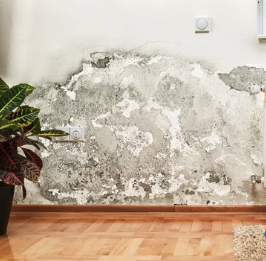
Textured drywall repair after water damage is crucial because it helps restore the wall’s structural integrity and appearance. Water damage can weaken and compromise the integrity of drywall, leading to potential safety hazards and costly repairs if addressed. It can also create unsightly stains and mold growth, affecting the air quality in your home or building.
Textured Drywall Repair quickly and correctly can prevent further damage and help maintain your property’s value and aesthetics.
Remove any damaged or wet drywall material, including any tape or compound that has come loose.
Use a drywall saw to cut out a clean and even section of the damaged drywall.
Measure and cut a new piece of drywall to fit the opening,
Secure the new drywall with screws, making sure to screw it into the framing around the opening.
Apply joint compound to the edges of the new drywall, and feather it out about 6-8 inches beyond the repair area.
Allow the joint compound to dry completely, which typically takes about 24 hours.
Sand the joint compound until it’s smooth and level with the surrounding wall.
Apply a coat of primer to the repaired area to help the paint adhere properly.
Once the primer is dry, apply a coat of paint that matches the existing wall color.
To match the texture of the surrounding wall. Allow the texture to dry completely before applying a final coat of paint to blend the repair area with the surrounding wall.
A homeowner can do textured drywall repair after water damage by themselves, as long as they have the necessary tools and materials and are willing to put in the time and effort required.
Here are some professionals you can contact:
Drywall repair specialist: A drywall repair specialist has expertise in all aspects of drywall repair, including patching and texturing. They have the tools and knowledge necessary to complete the repair quickly and efficiently.
Water damage restoration company: A water damage restoration company can handle the entire restoration process, from removing water and drying out the affected area to repairing drywall and other structural components.
General contractor: handle all aspects of the repair, including coordinating with other trades and ensuring that the repair is done to code.
Considering working with to ensure that they are licensed, insured, and have a good reputation in the community.
Contaminated Water in crawl spaces needs cleaning, and deodorizing is essential to maintain the health and safety of the occupants, protect the property value, and prevent future contamination.
Health and safety: can cause serious health problems if not properly cleaned and disinfected.
Prevent structural damage: this can cause damage to the structure of the house, including flooring and walls.
Maintain indoor air quality: this will help maintain good indoor air quality and prevent unpleasant odors.
Protect property value: this will help maintain the property’s value.
Prevent future contamination: will help prevent future contamination and reduce the risk of costly repairs.
Step-by-step process of cleaning and deodorizing Sewage and contaminated water in crawl space under the house
Identify the source of the contamination. Wear protective clothing, gloves, and a respirator mask to prevent exposure to harmful bacteria and chemicals.
Remove standing water
Dispose of solid waste: such as dirty rags, paper, and debris.
Clean surfaces: including flooring and walls, with a solution of hot water and a strong disinfectant, such as bleach.
Ventilate the space
Apply a deodorizing solution.
Dry the space: Use fans and dehumidifiers to dry the crawl space thoroughly.
Final inspection
Maintenance: Regular maintenance and cleaning of the crawl space will help prevent future contamination and odors.
The risks associated with cleaning and deodorizing sewage and contaminated water in crawl spaces under a house include:
Health hazards: can pose serious health risks, including respiratory problems, skin infections, and illnesses caused by harmful bacteria and chemicals.
Structural damage: can lead to further damage to the house’s structure, including flooring and walls.
Environmental contamination: can lead to environmental contamination and harm to wildlife and the ecosystem.
Fire hazard: Certain cleaning and deodorizing products can pose a fire hazard, especially in areas with limited ventilation.
Cost: can be expensive and require specialized equipment and techniques.
If you have sewage and contaminated water in your crawl space, you may consider contacting the following professionals for help:
Water damage restoration company: They have the experience and equipment to safely clean and deodorize contaminated water and sewage in crawl spaces.
Environmental contractor: They can assess the extent of the contamination and recommend the best course of action, including removing and disposing of contaminated materials.
Plumber: They can help address the source of the contamination, such as a broken sewer pipe, and make necessary repairs to prevent future contamination.
Health department: They can provide information and guidance on the best practices for cleaning and deodorizing contaminated water and sewage.
Insurance company: They can provide information on what is covered under your insurance policy and help you file a claim for the damage caused by the contamination.
It is important to seek professional help to properly clean and deodorize contaminated water and sewage in crawl spaces to minimize risks and ensure the safety of the occupants and the environment.
The IICRC S500 is a standard for professional water damage restoration.
According to this standard, after a water leak, it is recommended to remove all wet materials, including drywall, flooring, and baseboards, to dry out the affected area and prevent mold growth effectively.
Importance of removing wet materials ACCORDING TO PROFESSIONAL WATER DAMAGE RESTORATION:
Prevents mold growth: Wet materials provide the perfect environment for mold to grow, which can cause health problems and further damage the building.
Facilitates drying: Removing wet materials exposes the affected area to airflow, allowing it to dry more quickly and thoroughly.
Prevents structural damage: Wet materials can cause structural damage over time, and removing them can help prevent long-term damage to the building.
Pros of removing wet materials:
Improved air quality: Removing wet materials can improve indoor air quality by reducing mold and mildew.
Reduced risk of further damage: By removing wet materials, you can reduce the risk of further damage to the building, such as the warping or buckling of flooring.
Improved appearance: Removing wet materials can enhance the appearance of the affected area and restore it to its original condition.
Cons of removing wet materials:
Increased cost: Removing wet materials is more expensive than simply drying them out, as it requires additional labor and materials.
Disruptive process: Removing wet materials can be disruptive, as it may involve demolition and reconstruction.
IICRC-certified professionals: The best resource for information on the IICRC S500 standard is an IICRC-certified professional
Building professionals: If you are unsure whether removing wet materials is necessary, consult a building professional
Building codes and regulations: It is also essential to familiarize yourself with local building codes and regulations, which may have specific requirements for removing wet materials after a water leak.
It’s important to be cautious and discerning when choosing a professional for water damage restoration,
as not all service providers may be reliable or qualified. To avoid working with unreliable providers, consider the following:
Verify credentials: Check that the provider is certified by the IICRC or another reputable organization and has the necessary licenses and insurance.
Check references and reviews: Ask for references from past clients, and read online reviews to get a sense of the provider’s quality of work and customer service.
Get multiple quotes from several providers to compare prices and services, and choose the one that best fits your needs and budget.
Be wary of low prices: Be cautious of providers who offer significantly lower prices than others, as this may indicate that they are cutting corners or using subpar materials.
In general, it’s always best to do your research and choose a reputable, qualified professional for to ensure the best outcome.
Health hazards: contains harmful bacteria and pathogens that can cause serious health problems.
Property damage: The water can cause structural damage to the building and furnishings.
Mold growth: The moist environment caused by sewage water can lead to the growth of mold and mildew.
Odor: Sewage water has a strong, unpleasant odor that can be difficult to remove.
Discoloration: The water can discolor surfaces and materials.
Corrosion: Water can corrode metals and other materials.
Destruction of electrical components: The water can damage them, causing them to stop working.
Degradation of building materials: Water can cause the degradation of building materials such as drywall, flooring, and insulation.
Pest infestations: Sewage water can attract pests, such as insects and rodents, which can further damage the building.
Contamination of potable water can contaminate it and make it unsafe to drink.
Environmental hazards
Economic impact: The cost of repairing the damage caused by sewage water leaks can be significant.
Loss of use
Loss of property value: The damage caused by sewage water leaks can decrease the property’s value.
Insurance claims
Legal liabilities
Health insurance costs: The health problems caused by exposure to sewage water can lead to increased health insurance costs.
Workplace hazards: The water can pose a hazard to employees or customers who come into contact with it.
Difficulty in obtaining financing: The damage caused by sewage water leaks can make obtaining financing for the property difficult.
Difficulty in selling the property
Difficulty in obtaining permits
Difficulty in finding insurance
Difficulty in renting the property
Difficulty in obtaining a loan
Reputation damage
SEWAGE is an important aspect of modern society because:
Sanitation: helps to remove pollutants and pathogens from wastewater, making it safer for the environment and reducing the risk of waterborne diseases.
Resource recovery: can recover valuable resources such as nutrients, water, and energy from wastewater.
Water conservation: By treating and reusing wastewater, sewage treatment can help to conserve potable water resources.
Environmental protection: helps to prevent the contamination of surface water and groundwater, which can negatively impact wildlife, fisheries, and human health.
Climate change: reduce greenhouse gas emissions by treating and reusing wastewater instead of discharging it into the environment.
Economic benefits: can save money on the construction and maintenance of water treatment and supply infrastructure.
Public health: reduce the spread of waterborne diseases, which can significantly impact public health.
Food production: food production by reducing the risk of water contamination, which can harm crops and livestock.
Overall, Decontamination of Sewage Water plays a critical role in protecting public health and the environment, and it is an important aspect of modern society.
The following PROFESSIONALS are involved in handling the decontamination of sewage water and its related problems:
Environmental engineers: They design and oversee the construction of sewage treatment plants, and they work to minimize the impact of sewage on the environment.
Wastewater treatment plant operators operate and maintain decontamination of sewage water, ensuring they function properly and meet regulatory requirements.
Plumbers: They repair and maintain pipes and other sewage system components and can help prevent sewage leaks and other problems.
Hazardous materials specialists: They are trained to safely and responsibly handle and dispose of hazardous materials, including sewage.
Civil engineers: They design and oversee the construction of sewage collection and treatment systems and work to ensure that these systems are sustainable and efficient.
Biomedical engineers: They design and develop new sewage treatment technologies and work to improve existing systems.
Environmental health and safety professionals: They are responsible for ensuring that sewage treatment facilities meet regulatory requirements and work to minimize the risk of harm to workers and the environment.
These professionals work together to ensure for the decontamination of sewage water that is treated and disposed of safely and responsibly, and they play a critical role in protecting public health and the environment.
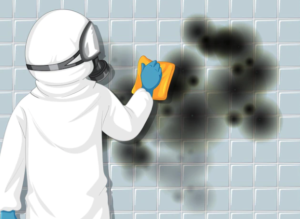
Mold cleanup identifies, removes, and prevents mold growth in a building or on surfaces. This guide will provide a step-by-step approach for thorough mold cleanup.
What to Do!
Identify and remove the source of moisture: Before cleaning mold, it is essential to identify and fix the water source causing it to grow. This could involve fixing leaks, addressing poor ventilation, or other issues causing high humidity.
Prepare the area: Before beginning the cleaning process, remove any items easily cleaned elsewhere and cover any remaining furniture or surfaces with plastic sheeting to protect them from contamination.
Clean the surfaces: Using a solution of water and detergent, clean all surfaces affected by mold, including cabinets, furniture, floors, and ceilings. Be sure to scrub thoroughly, paying extra attention to any corners or hard-to-reach areas.
Dry the surfaces: After cleaning, it is essential to dry them thoroughly to prevent the mold from returning. Using fans or dehumidifiers or opening windows and doors to allow for natural ventilation.
Dispose of contaminated materials: Any materials contaminated should be carefully removed and disposed
Inspect and Monitor: After mold cleanup, it’s important to inspect the area after a few days to ensure that mold hasn’t re-grown and monitor the area for any signs of mold and moisture.
Hire a professional: If the infestation is extensive or you cannot clean it yourself, it’s best to hire a professional mold remediation company with the right tools and knowledge to handle the job safely and effectively.
Mold Cleanup is Essential
It can cause serious health problems, such as allergic reactions, respiratory issues, and headaches.
It can also cause structural damage to buildings and homes, leading to costly repairs. Also, mold can create unpleasant odors and negatively impact a property’s overall appearance. Cleaning mold promptly and properly can prevent these issues from getting worse and can help to protect the health and well-being of those who live or work in the affected area.
Act quickly and take the necessary steps to clean and remove the mold to prevent it from growing and spreading.
Mold exposure can pose a significant health risk to people with allergies, asthma, or other respiratory conditions. Some of the potential health effects of mold exposure can include the following:
Allergic reactions: Symptoms such as sneezing, runny nose, red eyes, and skin rash can occur in people who are sensitive to mold.
Respiratory problems: In some people, mold exposure can also cause asthma attacks.
Headaches: Some people may experience headaches as a result of mold exposure.
Irritation of the eyes, nose, throat, and skin: Mold can irritate these areas, leading to red, itchy eyes and skin rashes.
Immune system reactions: an increased risk of infection, particularly in people with weakened immune systems.
Neurological effects: Some studies have suggested that long-term mold exposure can lead to neurological effects, including memory loss and difficulty concentrating.
It’s important to note that not everyone will experience these health effects from mold exposure. The severity of symptoms can vary depending on the type and amount of mold present and the length of time a person has been exposed.
If you suspect that you have been exposed to mold, there are several steps you can take to help reduce your risk of health problems:
Remove yourself from the area: If possible, leave the area where the mold is present and stay in a location with fresh air until symptoms subside.
Seek medical attention: If you are experiencing severe symptoms such as difficulty breathing or chest pain, seek medical attention immediately.
Monitor your symptoms: Keep track of any symptoms you are experiencing, such as sneezing, runny nose, or headaches, and inform your doctor of your mold exposure.
Clean and dry contaminated clothing: If your clothes have been exposed to mold, wash them in hot water and dry them on the highest heat setting possible.
Improve ventilation: Increase the ventilation in your home by opening windows and using fans to circulate the air.
Keep humidity levels low: Use a dehumidifier to keep humidity levels in your home below 50%.
Remove mold: Clean and remove any visible mold using detergent and water. Suppose the infestation is extensive, or you cannot clean it yourself. In that case, it’s best to hire a professional mold remediation company with the right tools and knowledge to handle the job safely and effectively. Keep an eye: Monitor the area for any signs of mold and moisture.
It is also essential to work with a doctor to identify if you have any specific health issues that may be impacted by mold exposure and to develop a plan to manage any symptoms or health effects that may occur.
Control moisture: fixing leaks, addressing poor ventilation, and using a dehumidifier to keep humidity levels below 50%.
Clean and repair: Remove potential food sources (like dirt and dust) and identify and address areas where moisture may be collecting.
Ventilate: opening windows and doors, using exhaust fans, and installing vents and ducts.
Insulate: keeping the temperature and humidity levels consistent and reducing the risk of condensation.
Check for leaks
Monitor humidity: Use a hygrometer to monitor the humidity levels in your home or building, and take steps to reduce humidity if it exceeds 50%.
Use mold inhibitors: Some paints and other building materials contain mold inhibitors that can help to prevent mold growth.
Be aware of possible mold sources: Be mindful of possible mold sources, such as damp basements, crawl spaces, and attics, and take steps to address any moisture issues in these areas.
By taking these steps to prevent mold growth, you can help to protect the health and well-being of those who live or work in the building and prevent costly repairs.
ANSI/ IICRC S500 provides a specific set of practical standards for water damage restoration. The IICRC is an American National Standards Institute (ANSI) member and accredited standards developer. ANSI coordinates standards, conformity assessment, and related activities in the United States of America
a. Identify and document the source of the water damage and determine the type and category of water.
Identify and document the source of the water damage to determine the type and category of water. This will help choose the best action for dealing with the water damage and to assess the extent of the damage. Identifying and documenting the source of water damage will make it easier to determine what repairs are needed and the cost.
b. Assess the affected area and determine the appropriate drying goals.
Assess the affected area and determine the appropriate drying goals to ensure that the restoration process is successful. The assessment should include evaluating the material type, the damage extent, and other factors that may affect drying time. Once these factors have been considered, a drying goal can be set to help ensure that all materials are dried properly and efficiently.
c. Develop a drying plan and set up the necessary equipment.
According to IICRC S500 Standard, Drying is essential in many industrial processes, and having the right equipment and plan in place can help ensure the process runs smoothly. We will be able to determine the correct type of dryer, the optimal temperature, and humidity levels, and set up safety protocols. By following these steps, you can ensure that your drying operations are efficient and effective.
d. Remove standing water using extraction equipment.
We don’t want to create an environment that is conducive to the growth of mold and mildew. Removing standing water using extraction equipment is essential to prevent this from happening. This equipment can quickly and efficiently remove large amounts of standing water from a property, allowing the restoration process to begin. Extraction equipment is also helpful in preventing further damage by removing any remaining moisture that could lead to other problems down the road.
e. Apply anti-microbial agents to prevent the growth of bacteria, mold, and other harmful microorganisms.
These agents can be applied to surfaces and fabrics to create a protective barrier that will inhibit the growth of these organisms. It can help reduce the risk of infection and contamination in areas where these organisms are present. Additionally, anti-microbial agents can also be used to clean and disinfect surfaces, helping to keep them free from harmful microorganisms and reducing the risk of infection and contamination in any environment, so it will meet IICRC S500.
f. Use air movers and dehumidifiers to reduce the moisture in the air and promote evaporation.
IICRC S500 Standard says that Air movers help to circulate the air, allowing it to move more quickly and efficiently, while dehumidifiers remove excess moisture from the air. Together, these two tools can help reduce humidity levels in your home or business, making it more comfortable and preventing mold growth. Using air movers and dehumidifiers together can create a healthier environment for yourself and your family.
g. Monitor the drying process and adjust the equipment and drying plan as needed.
It involves keeping track of the temperature, humidity, and other environmental factors to ensure that the product is appropriately dried. Monitoring these factors makes it possible to adjust the equipment and drying plan as needed to achieve optimal results. This can help reduce waste and improve efficiency in production processes.
h. Remove any materials that cannot be restored or are not cost-effective to repair.
This process involves assessing the condition of the materials, determining whether they can be repaired or restored, and then deciding if it is more cost-effective to replace them. In some cases, removing these materials may also be necessary for safety reasons. It is essential to consider all factors before deciding whether to remove any materials from a project.
i. Disinfect and sanitize the affected area to prevent the spread of bacteria and other contaminants.
Using the right products and techniques is essential to ensure that all surfaces are properly disinfected and sanitized. This will help reduce the risk of infection, illness, and other health risks associated with bacteria and other contaminants. It will also help maintain a clean environment for everyone in the area.
j. Restore any damaged materials and surfaces and perform any necessary repairs.
Identifying the damage’s source, assessing the damage’s extent, and determine necessary repairs. This process can involve various techniques such as cleaning, sealing, patching, painting, or replacing damaged materials. Restoring any damaged materials and surfaces to their original condition makes it possible to prevent further deterioration or damage from occurring in the future.
Mold Testing is a significant concern for many homeowners. One of the most common IAQ issues is mold growth, which can occur in any home but is particularly prevalent in humid or damp environments.
Initial Assessment:
TheIAQA (Indoor Air Quality Association) recommends a thorough inspection of the property to identify any visible mold growth, moisture sources, and potential contributing factors such as water damage or high humidity levels.
Sampling:
Collect samples after Mold testing from affected areas to confirm the presence of mold and identify the type and concentration of spores present. Examples may be collected using various methods, such as air sampling, surface sampling, or bulk sampling.
Laboratory analysis:
The collected samples are then sent to a laboratory for analysis to determine the presence and types of mold present. The laboratory will also provide a report on the concentration of mold spores in the samples.
Evaluation and recommendations:
Based on the laboratory results, IAQA recommends evaluating the severity of the mold problem and developing a remediation plan. This may include recommendations for cleaning or removing affected materials, correcting moisture issues, and improving ventilation.
Remediation:
IAQA recommends following proper mold remediation protocols, including personal protective equipment, containment measures, and appropriate cleaning and removal techniques.
Post-remediation testing:
Conducting additional testing to ensure that the problem has been adequately addressed and that the indoor air quality has returned to acceptable levels.
It’s important to note that mold testing is only one step in addressing mold issues. If mold is found, professional remediation should be performed by a certified mold remediation contractor. By following this IAQA-approved guide, homeowners can take a vital step toward identifying and addressing mold issues in their homes, thus ensuring the health and well-being of their families.
Professionals can conduct a Home Inventory, Creating a comprehensive list of all the items in the property.
everything from furniture and appliances
clothing
personal belongings.
The team should also take
detailed photographs or videos of each item and any receipts or documentation that may be available. This will establish the value of each item for insurance purposes.
note each item’s serial number or other identifying information. This will help to prove ownership and make it easier to track down an item if it is lost or stolen.
should be kept in a secure location and updated regularly to ensure that it remains accurate and up-to-date.
Importance:
A comprehensive home inventory can be significant for homeowners who want to ensure adequate insurance coverage in the event of a loss, such as a fire or natural disaster. By keeping a detailed list of the items in your home, you can provide proof of ownership and establish the value of your possessions for insurance purposes. This can help you to receive appropriate compensation in the event of a loss.
Here are some additional steps that a professional team might follow when conducting a home or personal property inventory:
Determine the scope of the inventory: The team should decide which items are included in the list, such as everything in the home or only items of a specific value.
Create a system for organizing the inventory: The team should decide how to manage the list, such as by room or category. This will make it easier to find items when needed.
Gather all necessary documentation: In addition to photographs and receipts, the team should gather other relevant documentation, such as warranties or insurance policies.
Conduct the inventory: The team should go through the home or property room by room, list all items, and gather relevant documentation. They should also take detailed photographs or videos of each item.
Review and update the inventory: After the initial list is complete, the team should review it to ensure that all items are accounted for and that the information is accurate. The inventory should be updated regularly to account for any new items or changes to existing items.
Store the inventory in a safe place: The inventory should be kept in a secure location, such as a safe or a fireproof box, to protect it from damage or loss.
In addition to insurance, a home inventory can also be helpful for tax deductions. For example, if you have items in your home that you use for business purposes, you may be able to claim them as tax deductions.
A home inventory can also be useful for estate planning purposes, as it can help to document the items you own and provide a record of their value. This can be especially important if you need to divide your assets among multiple heirs or if you need to sell your home and its contents.
Sample Table
Item
Quantity
Value
Location
Television
1
$500
Living Room
Sofa
1
$800
Living Room
Dining Table
1
$1,000
Dining Room
Bed
1
$1,500
Bedroom
Dresser
1
$800
Bedroom
This table lists some items found in a home, along with their quantities, values, and locations. You can add more columns or rows to fit your specific needs.
Finally, a home inventory can help you to stay organized and keep track of your possessions. It can be a helpful tool for moving or conducting a home inventory audit to identify items you no longer need or use.
Water Damage dangers factors, including plumbing problems, natural disasters, and leaks
It can lead to severe issues such as structural damage, mold growth, and the deterioration of building materials.
Water Damage Checklist:
Shut off the source of the water: shut off the main water supply to your home or the affected area.
Remove excess water: Use buckets, mops, or a wet/dry vacuum to remove as much water as possible from the affected area.
Protect your belongings: Move any valuable items to a dry, safe place to prevent further damage.
Dry out the affected area: Use fans, dehumidifiers, and open windows to help circulate air and dry out the affected area.
Remove any standing water: If standing water is in the affected area, use a sump pump or wet/dry vacuum to remove it.
Remove any damaged materials: If any materials, such as drywall or carpet, have been damaged by the water, remove them to prevent mold growth.
Clean and disinfect the affected area: Use a disinfectant to clean and sanitize the affected area to prevent mold growth and other contaminants.
Monitor the area: Check the affected area regularly to ensure that it is drying correctly and to address any issues that may arise.
Repair and restore: Once the affected area has dried out, you can restore it to its previous condition. This may include replacing damaged materials, such as drywall or flooring, and making necessary repairs to plumbing or electrical systems.
Take preventive measures: Consider installing flood prevention measures, such as sump pumps, to protect your home from future water damage.
Legalities
In California, the legal liability for water damage can vary depending on the circumstances of the case. Here are a few potential scenarios:
The liability might fall on the homeowner’s insurance policy if a natural disaster caused water damage, such as a flood or earthquake.
If the water damage was caused by a plumbing issue, such as a broken pipe, the liability may fall on the homeowner if they were responsible for maintaining the plumbing.
Here are ten reasons why home drywall, baseboard, cabinets, and insulation has to be removed after a water leak damage the floor
Water damage can cause the drywall to become weakened, making it more prone to collapse or fall apart.
Wet drywall can also provide an ideal breeding ground for mold and mildew, which can harm your health and cause further damage to your home.
Water can also cause baseboards to warp, bend, or rot, making them unsightly and potentially dangerous if they become loose or unstable.
Water leaks into cabinets can damage the wood and cause the cabinets to become unstable or fall apart.
Water can also cause the insulation to become wet and ineffective, reducing its ability to insulate your home and potentially leading to higher energy bills.
Removing wet drywall, baseboards, cabinets, and insulation can help to prevent the spread of water damage to other areas of your home.
It can also help prevent mold and mildew growth, which can be difficult to remove and cause health problems for people with allergies or respiratory issues.
Removing damaged materials can also help restore your home’s appearance and make it more attractive and comfortable.
If the water damage is severe enough, it may be necessary to remove and replace the entire floor to ensure the structural integrity of your home.
Leak detection identifies the presence and location of a leak in a system or structure.
This can be done through various methods, including visual inspections, pressure tests, and specialized equipment such as acoustic detectors, infrared cameras, and gas detectors.
There are many reasons why leak detection may be necessary. For example, leaks in water pipes can cause damage to buildings and lead to water waste, while leaks in gas pipes can be dangerous due to the risk of explosions and fires. Leaks in oil pipelines can also have serious environmental consequences if not addressed.
The method of leak detection will depend on the type of system or structure being tested and the location of the suspected leak. For example, a pressure test in a water pipe system may be used to identify a leak, while a specialized oil leak detection system in an oil pipeline may be used.
It is essential to address leaks as soon as possible to prevent further damage and reduce the risk of safety hazards. Suppose you suspect a leak in your home or business.
Considerable Factors:
Water pipes made of metal, such as copper or iron, can corrode over time, leading to leaks or breaks. Water pipes made of plastic subjected to extreme temperatures or not correctly installed. This can lead to costly repairs and renovations.
Leaks in gas pipes can be dangerous, posing a fire or explosion risk. They can also harm people if inhaled, as natural gas can cause dizziness, nausea, and headaches.
Oil pipelines can leak for various reasons, including corrosion, damage from natural disasters or accidents, and improper maintenance. These leaks can have severe environmental and economic impacts, as they can contaminate soil and water and cause costly clean-up efforts.
If you suspect a leak in a pipeline, it is important to report it immediately to the appropriate authorities, such as the pipeline operator or local emergency responders. Do not attempt to repair the leak yourself, as this can be dangerous and may cause further damage.
DID YOU KNOW? 💡
“Water leaks can damage insulation and drywall for several reasons:
Absorption: Insulation and drywall are both porous materials that can absorb water. As they absorb water, they become heavy and may lose their structural integrity. This can cause the insulation or drywall to sag or fall out of place, which can lead to further damage.
Mold growth: Water leaks can also lead to the growth of mold, which can affect the integrity of insulation and drywall. Mold can cause these materials to become weak and deteriorate, making them less effective at insulating or providing a smooth surface for painting.
Swelling: Wood is also prone to swelling when it comes into contact with water. This can cause the wood to warp, which can affect the stability of the structure. If the wood is a structural element, such as a support beam or a joist, the swelling can compromise the integrity of the entire structure.
It’s important to address water leaks as soon as possible to minimize the damage to insulation, drywall, and other materials. If you suspect a water leak, you should have it repaired by a professional as soon as possible to prevent further damage to your home.
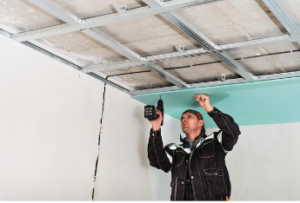
 According to this standard, after a water leak, it is recommended to remove all wet materials, including drywall, flooring, and baseboards, to dry out the affected area and prevent mold growth effectively.