
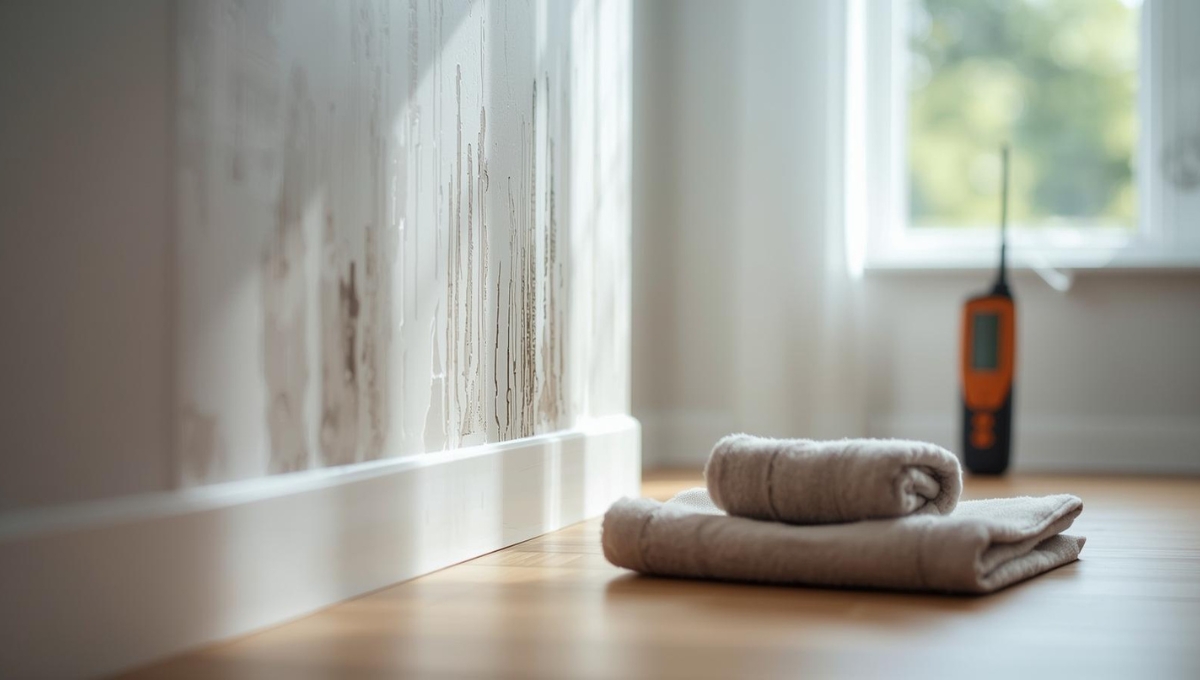
When disaster strikes, one of the first questions homeowners ask is does homeowners insurance cover water damage? The answer depends on what caused the damage, how it happened, and the type of coverage you have. Water damage can devastate your home, but understanding what’s covered, and what’s not, can make the difference between a quick recovery and a costly setback. At Coast View Plumbing & Restoration, we help Los Angeles homeowners restore their properties safely and efficiently after water, mold, or fire incidents.
If you’re dealing with water damage, don’t wait for the problem to get worse. Contact our team today for 24/7 emergency restoration services in the Greater Los Angeles area.
Understanding What Homeowners Insurance Covers
Water damage is one of the most common reasons homeowners file insurance claims, but not all water-related incidents qualify for coverage. Typically, homeowners insurance covers sudden and accidental damage, meaning the event that caused the water damage happened unexpectedly and was not the result of neglect or poor maintenance.
What’s Usually Covered
- Burst pipes or plumbing leaks: If a pipe bursts suddenly and floods your home, that’s considered accidental damage and is usually covered.
- Appliance malfunctions: A washing machine, water heater, or dishwasher that suddenly leaks and damages your floors or walls may be covered.
- Roof leaks from storms: If wind or hail damages your roof and allows rain to enter, most insurance policies will cover the repair and resulting water damage.
- Fire suppression water: If your home sustains water damage from sprinklers or firefighting efforts, this is typically included.
What’s Not Covered
Homeowners insurance doesn’t cover gradual damage or anything resulting from poor maintenance. This includes:
- Long-term pipe leaks that you didn’t fix
- Seepage from foundation cracks
- Water backing up from clogged drains
- Mold growth that developed over time
- Flooding from outside sources like heavy rain or rising water
Insurance companies view these types of issues as preventable, which means the responsibility falls on the homeowner.
Common Water Damage Scenarios and How Insurance Applies
Not all water damage is the same, and your insurance company will look closely at the cause before approving or denying a claim. Understanding the differences can help you act fast and limit the damage.
Burst Pipes and Sudden Leaks
When pipes burst due to freezing temperatures, age, or high pressure, the resulting water damage is usually covered. However, if the insurer determines that the pipe burst because of neglect, like failing to heat your home properly, your claim could be denied.
Roof and Window Leaks
Storm-related roof damage is a common cause of water intrusion. If wind or hail breaks shingles or flashing, and rain enters your home, you’ll likely have coverage for both roof repair and interior damage. But if your roof was already in poor condition or leaking for months, the insurer may classify it as neglect.
Appliance and HVAC Failures
Dishwashers, water heaters, and HVAC units can leak unexpectedly. Insurance typically covers these incidents if they occur suddenly and cause water damage to floors, drywall, or insulation. Routine maintenance, such as checking hoses or replacing old components, helps reduce the risk of denial.
Overflowing Fixtures or Drains
Water overflow from sinks, toilets, or tubs may be covered if it’s sudden and accidental. However, backups caused by a sewer or drain clog often require additional coverage called a water backup endorsement. Without that add-on, most policies will not pay for related damage.
At Coast View Plumbing & Restoration, we see firsthand how quickly water can spread through drywall, flooring, and structural materials. The sooner you take action, the more likely you are to save your property from extensive damage and costly repairs.
The Role of Flood Insurance
Many homeowners assume that their standard policy covers flooding, but that’s a costly misconception. Flood damage is not covered under homeowners insurance. You’ll need a separate flood insurance policy, usually available through the National Flood Insurance Program (NFIP) or a private insurer.
What Counts as a Flood?
A flood is generally defined as rising water from an outside source that affects two or more acres or properties. Common causes include:
- Heavy rain or rapid snowmelt
- Overflow from rivers or lakes
- Storm surges or coastal flooding
- Groundwater seepage after prolonged rain
If you live in areas like San Bernardino, Victorville, or Pomona, where flash floods and heavy rains occasionally occur, flood insurance can be a smart investment. While it may seem like an added expense, the cost of repairing a flooded home out-of-pocket is often far higher.
Why Restoration Still Matters
Even with the right insurance coverage, your policy only pays for repairs, it doesn’t clean up or restore the damage for you. That’s where Coast View Plumbing & Restoration comes in. We don’t handle insurance claims directly, but we specialize in water, mold, and fire restoration to help homeowners recover quickly and safely.
Our team uses industrial-grade drying and dehumidifying equipment to remove moisture, prevent mold growth, and restore your home’s structural integrity. Whether the damage is minor or severe, we’ll ensure the space is clean, dry, and ready for rebuilding.
How to Handle Water Damage Quickly and Effectively
When water damage occurs, acting fast can save thousands in repair costs and prevent secondary issues like mold. Here’s how to handle the situation properly.
1. Stop the Source
Shut off the main water supply immediately if the leak comes from a burst pipe or appliance. For storm-related leaks, use tarps or plastic sheeting to block further intrusion.
2. Document the Damage
Take photos and videos of all affected areas, including walls, flooring, ceilings, and damaged belongings. This documentation helps your insurance company understand the extent of the loss.
3. Contact Your Insurance Provider
Report the incident as soon as possible. They’ll assign an adjuster to evaluate your claim. Remember, Coast View Plumbing & Restoration does not handle insurance claims directly, but our team can provide professional restoration services that support your claim documentation.
4. Start Professional Restoration Immediately
Water damage gets worse by the hour. Waiting even 24 hours can lead to mold growth, structural weakening, and a more expensive cleanup. Hiring certified restoration experts ensures that your property is dried, sanitized, and restored properly.
5. Prevent Future Incidents
Inspect your plumbing, roofing, and appliances regularly. Fix minor issues before they lead to major water damage. Investing in regular maintenance is far less expensive than paying for restoration or facing an insurance denial later.
Why Choose Coast View Plumbing & Restoration
Homeowners across the Greater Los Angeles area, including Lake Los Angeles, Adelanto, Rancho Cucamonga, and Claremont, trust us for fast, reliable, and professional restoration services. Our technicians are trained to handle everything from burst pipe cleanup to full-scale mold remediation and fire damage recovery.
Here’s what sets us apart:
- Rapid response times: We know water damage can’t wait. Our crews are available 24/7.
- Advanced drying technology: We use high-powered drying systems to eliminate moisture fast.
- Certified professionals: Our restoration experts are IICRC-certified for safety and quality.
- Comprehensive services: We handle water, fire, and mold damage with precision and care.
When you call Coast View Plumbing & Restoration, you’re choosing a local company committed to protecting Los Angeles homes with expert restoration and superior service.
Frequently Asked Questions About Water Damage and Insurance
- Is water damage from rain covered by homeowners insurance?
It depends. If the rain entered due to sudden storm damage, such as a broken window or roof, it’s likely covered. But if the rain entered because of poor maintenance, it’s not. - Does insurance cover water damage from a leaking pipe?
Yes, but only if the leak was sudden and accidental. Long-term leaks caused by corrosion or neglect are excluded. - What about water damage from a flooded basement?
Standard homeowners insurance does not cover flood damage. A separate flood policy is required for basement flooding from rising water. - Can mold caused by water damage be covered?
Sometimes. If mold results directly from a covered water damage event and you act quickly to mitigate it, your insurer may assist with the cleanup. - How long do I have to report a water damage claim?
Most insurance companies require you to report the incident within 30 to 60 days. However, always check your specific policy for deadlines and details.
Water damage can happen fast, but recovery starts with the right team. Contact Coast View Plumbing & Restoration today to schedule professional water, mold, or fire restoration services anywhere in the Greater Los Angeles area.