Categories
Mold Remediation Water Damage

Is Mold from Water Damage Dangerous? What Greater Los Angeles Property Owners Must Know

Is Mold from Water Damage Dangerous

Is mold from water damage dangerous for your family’s health and your property’s value? Absolutely. When water enters your Greater Los Angeles area home through pipe bursts, roof leaks, flooding, or fire suppression efforts, it establishes ideal conditions for mold growth that can begin within just 24 hours. This rapid colonization introduces health hazards ranging from respiratory irritation to serious infections while simultaneously degrading building materials and compromising your property’s structural stability and market value.

For residents throughout Lake Los Angeles, El Mirage, Adelanto, Victorville, Apple Valley, Hesperia, Lucerne Valley, San Bernardino, Pomona, Lytle Creek, Crest Line, Claremont, Rancho Cucamonga, Fontana, and Colton, understanding the genuine dangers of water damage mold is essential for protecting both your investment and the people who occupy your buildings.

Experiencing water damage in your Greater Los Angeles property? Contact Coast View Plumbing & Restoration now for immediate professional water extraction and mold prevention services.

The Science Behind Water Damage and Mold Development

Mold spores are ubiquitous microscopic organisms that exist in virtually every environment, floating through outdoor and indoor air in dormant states. These resilient spores can remain viable for years, germinating only when they encounter the moisture necessary to support fungal growth.

The timeline of mold development after water exposure follows a predictable pattern:

  1. First 24 hours: Mold spores land on water-saturated surfaces and begin absorbing moisture
  2. 24-48 hours: Germination commences as spores extend hyphae to penetrate porous materials
  3. 72 hours: Visible mold colonies often appear and begin producing thousands of new spores
  4. One week: Colonies penetrate deeply into building materials, making remediation more challenging

California’s climate presents unique considerations for mold development. While the Greater Los Angeles region experiences lower ambient humidity than many parts of the country, water intrusion events create localized high-humidity environments within buildings where mold thrives. Desert communities like Lake Los Angeles and El Mirage face particular risks because residents may underestimate mold dangers in arid climates.

The reality is that once water saturates building materials, external humidity levels become irrelevant. The enclosed wet environment provides everything mold needs to flourish.

Documented Health Risks of Mold Exposure

The health consequences of mold exposure range from mild irritation to severe medical complications, depending on mold species, concentration levels, exposure duration, and individual susceptibility.

Common Health Symptoms:

  • Nasal congestion and sore throat
  • Persistent coughing and wheezing
  • Eye irritation and watery eyes
  • Skin rashes and hives
  • Headaches and fatigue

High-Risk Populations:

Certain groups face elevated risks:

  • Asthma sufferers: Medical research establishes that mold exposure increases asthma attack frequency and severity
  • Children: Developing respiratory systems, higher breathing rates, and more time at floor level increase exposure
  • Immunocompromised individuals: Risk of invasive fungal infections affecting bloodstream, brain, and other organs
  • Elderly individuals: Decreased immune function increases vulnerability to mold-related illness
  • Pregnant women: Some research suggests potential developmental risks

Toxic Mold Concerns:

Certain mold species produce mycotoxins, poisonous chemical compounds causing health effects even in immunocompetent individuals. Stachybotrys chartarum (black mold) produces particularly potent mycotoxins associated with:

  • Neurological symptoms including headaches and difficulty concentrating
  • Chronic fatigue and memory problems
  • Mood disturbances
  • Pulmonary hemorrhage in severe exposure cases

While black mold receives significant media attention, many other mold species also produce mycotoxins that warrant serious concern.

Property Damage and Financial Consequences

Beyond health implications, mold inflicts substantial and progressive destruction on building structures while creating significant financial burdens.

Structural Damage:

  • Wood components: Floor joists, wall studs, roof rafters, and beams suffer serious degradation
  • Drywall: Paper facing provides excellent nutrition; contaminated sections require replacement
  • Insulation: Loses thermal performance and typically cannot be salvaged
  • Flooring: Hardwood warps, carpet becomes contaminated, subflooring may require replacement

Financial Impact:

Property damage extends beyond direct remediation costs:

  • Decreased property values: Real estate transactions stall when mold is discovered
  • Price reductions: Buyers demand lower prices or expensive remediation before closing
  • Limited buyer pool: Some buyers avoid properties with documented mold histories
  • Insurance complications: Companies may drop coverage or substantially increase premiums after claims
  • Rental property liability: Landlords face potential lawsuits if tenants experience mold-related health problems

In earthquake-prone Southern California, compromised structural members create additional safety concerns beyond normal collapse risks.

Water Damage Sources in Greater Los Angeles Communities

Understanding how water enters Greater Los Angeles properties helps you recognize vulnerabilities and implement preventive strategies.

Common Water Damage Causes:

  • Plumbing failures: Burst supply lines, corroded pipes, failed water heaters, and deteriorated flexible connectors
  • Roof leaks: Deteriorated shingles, failed flat roof membranes, damaged tiles, cracked flashing, and blocked drains
  • Fire suppression water: Sprinkler activations and firefighting efforts introduce substantial water volumes
  • HVAC issues: Condensate line clogs, drain pan overflows, evaporative cooler leaks, and duct condensation
  • Appliance malfunctions: Water heater, washing machine, dishwasher, and refrigerator failures
  • Foundation and slab leaks: Underground plumbing leaks beneath concrete slabs
  • Flash flooding: Intense storms can overwhelm drainage systems in low-lying areas

In high-desert communities like Victorville and Hesperia, intense sun exposure accelerates roofing material degradation, creating vulnerabilities that manifest as leaks during infrequent but sometimes heavy rainfall events.

Identifying Mold Presence After Water Events

Recognizing mold quickly enables prompt intervention before contamination becomes extensive and remediation costs escalate.

Visible Indicators:

  • Discolored patches in various colors (black, green, white, gray, brown, orange, pink)
  • Fuzzy, powdery, slimy, or velvety textures
  • Water stains and discoloration (yellowish, brownish, or copper-colored marks)
  • Warped, buckled, or deteriorating materials
  • Floors feeling soft or spongy when walked upon
  • Peeling or bubbling paint and wallpaper

Hidden Mold Indicators:

  • Persistent musty, earthy, or dank odors
  • Respiratory symptoms or allergic reactions that worsen in specific areas
  • Health issues that improve when leaving the property
  • Symptoms that began or intensified after known water damage events

If you detect any of these indicators, hidden mold likely exists behind walls, above ceilings, or beneath flooring requiring professional investigation.

Why Professional Remediation Is Non-Negotiable

The complexity of proper mold remediation, specialized equipment required, and health risks involved make professional services essential rather than optional.

Critical Professional Capabilities:

  1. Containment procedures: Physical barriers and negative air pressure prevent spore dispersal during removal work
  2. Personal protective equipment: Respirators with HEPA filters, full-body disposable suits, nitrile gloves, and eye protection
  3. Complete structural drying: Industrial dehumidifiers, high-velocity air movers, and moisture detection instruments
  4. Material assessment: Expertise determining salvageability versus required disposal
  5. Proper disposal: Contaminated materials sealed in heavy plastic bags within containment areas
  6. Documentation: Work records for insurance claims and compliance verification

Coast View Plumbing & Restoration employs certified technicians who follow industry-standard remediation protocols, use professional-grade equipment, and maintain comprehensive insurance coverage. The company understands the unique challenges facing Greater Los Angeles properties and adapts approaches to address regional considerations including seismic concerns, varying climate zones, and building code requirements.

The Critical Timeline: Why Immediate Response Matters

Time is your enemy following water damage. Each hour that passes without proper mitigation increases mold development risk and expands the scope of necessary remediation.

Critical Action Windows:

  • First 24 hours: Immediate water extraction, rapid structural drying, and preventive antimicrobial application can stop spores from germinating
  • 24-72 hours: Mold prevention becomes more challenging as spores begin germinating on wet surfaces
  • Beyond 72 hours: Visible mold colonies typically emerge; situation transforms from prevention to remediation
  • After one week: Mold colonies become well-established with deep material penetration

Financial Implications:

Costs increase substantially with delayed response. Materials that could have been saved with immediate response may now require replacement. The scope of work expands from water extraction and drying to include containment, material removal, cleaning, and disposal.

Insurance Considerations:

Insurance policy provisions typically require policyholders to mitigate damage promptly to prevent unnecessary loss escalation. Delays provide insurers justification for limiting or denying coverage, leaving you personally responsible for potentially tens of thousands of dollars in remediation costs.

For Greater Los Angeles property owners, even in arid climates, these timeframes remain relevant. Once water enters buildings, external humidity becomes irrelevant as enclosed wet environments provide perfect conditions for mold.

Comprehensive Restoration Services for Your Property

Coast View Plumbing & Restoration provides complete water damage restoration and mold remediation services throughout the Greater Los Angeles region.

Service Offerings:

  • Emergency water extraction: Truck-mounted and portable equipment removes standing water quickly
  • Structural drying: Industrial dehumidifiers and high-velocity air movers remove moisture from materials and cavities
  • Mold remediation: IICRC-standard containment, removal, cleaning, and verification procedures
  • Fire damage restoration: Addresses both direct fire damage and water damage from suppression efforts
  • Plumbing services: Repairs underlying causes of water damage including burst pipes and failed water heaters

The company serves diverse communities throughout Lake Los Angeles, El Mirage, Adelanto, Victorville, Apple Valley, Hesperia, Lucerne Valley, San Bernardino, Pomona, Lytle Creek, Crest Line, Claremont, Rancho Cucamonga, Fontana, and Colton, understanding that each area presents unique characteristics and challenges.

Preventive Measures to Protect Your Property

While professional remediation addresses existing problems, preventive strategies reduce water damage and mold risks.

Regular Maintenance:

  • Inspect roofs for damaged or missing materials
  • Check attics for leak evidence or inadequate ventilation
  • Look for plumbing leaks under sinks and around appliances
  • Replace washing machine hoses every five years
  • Have water heaters professionally inspected annually
  • Verify main water shutoff valve operates smoothly

Proactive Upgrades:

  • Install water leak detection devices in high-risk areas
  • Upgrade older plumbing systems (galvanized steel or polybutylene pipes)
  • Consider whole-house water shutoff systems for abnormal flow detection
  • Ensure proper property grading directs water away from foundations

Immediate Response:

  • Address minor water intrusions immediately, even if they seem insignificant
  • Never assume limited water exposure will dry adequately on its own
  • Know your main water shutoff valve location

Property-Specific Actions:

  • In high-desert areas, have professional roof inspections every few years
  • Service roof systems by replacing damaged materials promptly
  • Clear debris from valleys and drainage points

Taking Decisive Action to Protect Your Investment

Is mold from water damage dangerous? The scientific evidence and documented health cases clearly establish that mold poses genuine risks to human health while causing substantial property damage that diminishes your investment value.

For Greater Los Angeles property owners, understanding these dangers and knowing when to engage professional assistance can prevent minor water intrusions from becoming major health hazards and financial burdens.

If you’ve experienced any water damage event, discovered mold growth, or notice persistent musty odors in your property, professional assessment and remediation are essential. Early detection and proper intervention prevent minor issues from escalating while protecting the health of your family, employees, or tenants.

The cost of professional water damage mitigation and mold remediation represents sound investment compared to the alternatives. Proper response protects your valuable property asset, maintains healthy indoor environments, prevents serious structural deterioration, and preserves property values.

Your Greater Los Angeles property deserves expert care when water damage or mold threatens its integrity and your health. Professional restoration specialists provide the knowledge, commercial-grade equipment, and proven protocols necessary to address these challenges effectively.

Don’t risk your health or property value by delaying response to water damage or attempting inadequate DIY mold remediation. Contact Coast View Plumbing & Restoration today for immediate professional water damage restoration and mold remediation services throughout the Greater Los Angeles region.
Categories
Mold Remediation

Professional Mold Removal in Seal Beach: Protecting Your Home and Health

Professional Mold Removal in Seal Beach

Mold removal Seal Beach is a critical service for homeowners living near the coast, where moisture, salty air, and humidity create the perfect environment for mold growth. Even a small patch of mold can quickly become a serious issue, especially in homes exposed to ocean breezes and daily temperature changes. Whether caused by plumbing leaks, storm damage, or unnoticed moisture intrusion, mold spreads fast and can put your home and your health at risk if it isn’t properly addressed.

Before diving into prevention, remediation, and long-term protection, it’s important to understand why mold appears and why Seal Beach homeowners should never ignore the warning signs. Acting quickly helps prevent deeper structural issues, reduces the risk of respiratory problems, and protects the long-term value of your home.

For fast service, contact Coast View Plumbing & Restoration.

Why Mold Removal in Seal Beach Is Essential for Your Property

Seal Beach is loved for its ocean views, coastal breeze, and relaxed environment, but these same elements contribute to high humidity and constant moisture exposure. Mold thrives in damp settings, especially where water lingers behind walls, under flooring, or inside cabinets. Plumbing leaks, roof seepage, and condensation from poor ventilation are some of the most common causes of mold in this area.

Homeowners often notice early signs without realizing what they indicate. A musty smell in a bathroom, small discoloration on a wall, or worsening allergy symptoms indoors can be the first warnings that mold is growing out of sight. Left untreated, mold can damage drywall, warp wood, and spread through HVAC systems. It can also trigger respiratory irritation, sinus inflammation, and other health concerns, especially for children, older adults, and those with pre-existing conditions.

DIY mold cleanup might seem tempting, but it rarely eliminates the root cause. Many homeowners scrub the surface only to discover the mold reappears a few weeks later. Real mold remediation requires identifying moisture sources, containing the spread, and safely removing contaminated materials. Professional mold removal ensures the problem is handled thoroughly and prevents costly, recurring issues.

Our Proven Mold Remediation Process for Seal Beach Homes

At Coast View Plumbing & Restoration, we take a detailed, methodical approach to mold remediation to ensure your Seal Beach home is restored safely and fully. Our process includes several critical steps designed to protect your property from further damage while ensuring the mold cannot return.

1. Detailed Inspection and Moisture Detection

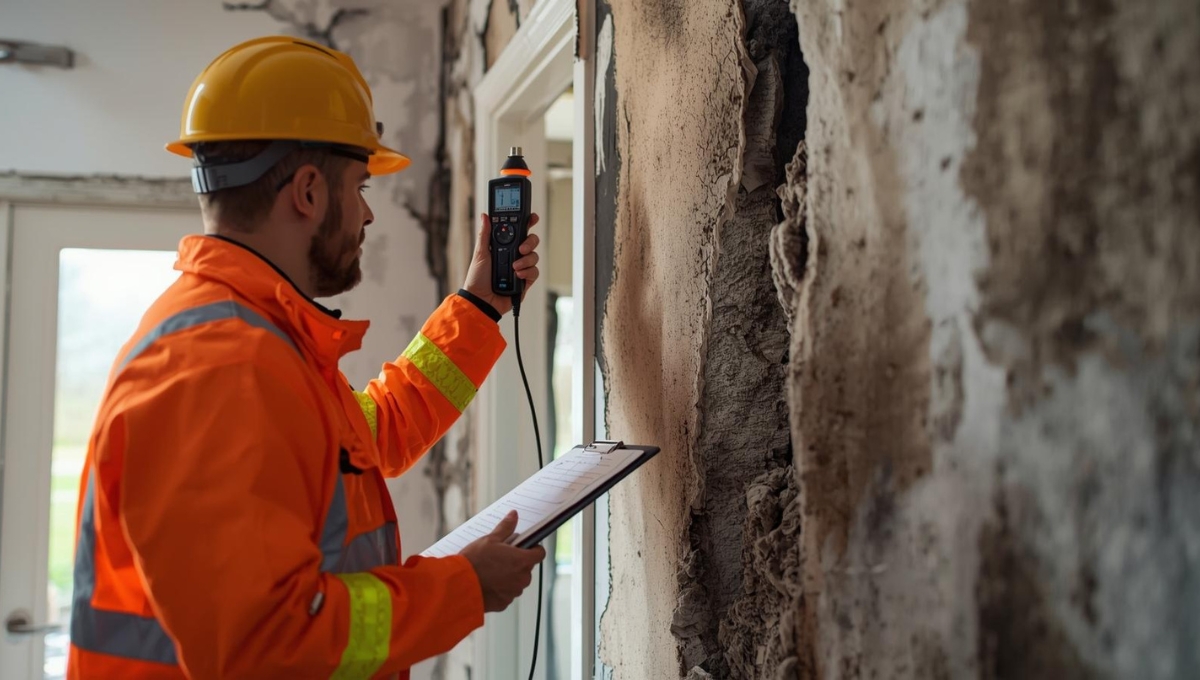
Every successful mold remediation begins with a full inspection. We examine all areas where moisture could accumulate, including walls, floors, ceilings, crawlspaces, and plumbing systems. Using moisture meters and thermal imaging, we locate hidden water sources that often go unnoticed.

2. Containment and Air Filtration

To prevent mold spores from spreading during removal, we establish containment barriers. These barriers isolate affected areas and protect the rest of the home. High-efficiency air scrubbers filter airborne particles to improve indoor air quality and stop cross-contamination.

3. Safe and Thorough Mold Removal

We remove compromised materials and treat remaining surfaces with specialized cleaning agents designed to eliminate mold colonies. This step ensures the mold is not just hidden or covered but completely eradicated.

4. Drying, Sanitizing, and Deodorizing

Moisture is the root cause of mold growth. Once material removal is complete, we use drying equipment to eliminate leftover moisture. We then sanitize and deodorize the area to restore a clean, safe environment.

5. Structural Restoration and Repairs

As a full-service restoration company offering water, mold, and fire services, we are equipped to repair and replace damaged materials. Whether your home needs drywall replacement, flooring repairs, or plumbing fixes, we ensure your property is restored to pre-damage condition.

6. Final Clearance Testing

To confirm the success of the remediation, we perform a final inspection and may coordinate third-party clearance testing. This gives you peace of mind knowing your Seal Beach home is mold-free and safe.

Our team combines industry experience with advanced tools, allowing us to deliver thorough, efficient remediation tailored to coastal environments.

Why Seal Beach Homeowners Trust Coast View Plumbing & Restoration

Seal Beach homeowners face unique challenges due to the region’s coastal climate, and choosing a qualified remediation company is essential. Coast View Plumbing & Restoration is trusted throughout Greater Los Angeles because of our commitment to quality, safety, and customer care.

Local Knowledge and Coastal Expertise

Homes near the ocean experience elevated moisture levels beyond what inland properties face. Our technicians understand these challenges and know how to identify hidden water intrusion early. This insight helps prevent recurring mold growth and long-term structural damage.

Fast Response When It Matters Most

Moisture problems worsen with time, and mold spreads quickly. We respond urgently to protect your home and reduce the risk of additional damage. Acting fast minimizes disruption to your daily life and ensures a more effective remediation process.

Professional, Trained Technicians

Our mold remediation specialists receive extensive training in containment, removal, and restoration. Using advanced equipment and proven methods, we address both visible mold and the underlying issues that lead to its growth.

Full-Service Water, Mold, and Fire Expertise

Unlike companies that only offer mold removal, we handle water damage, plumbing issues, and structural repairs in-house. This makes the remediation process smoother and prevents the need to hire multiple contractors.

Commitment to Reliable, People-First Service

We follow quality guidance consistent with Google’s recommended principles for helpful, trustworthy content and user-focused services. Homeowners trust us because we prioritize transparency, thoroughness, and long-term safety above all else.

How to Prevent Mold from Returning in a Coastal Environment

Preventing mold growth in Seal Beach requires consistent moisture management. Even after professional remediation, the right steps can help keep your home mold-free long term.

Improve Indoor Ventilation

Use exhaust fans in kitchens and bathrooms and consider installing whole-home ventilation solutions. Proper airflow helps reduce humidity, especially in homes that are tightly sealed.

Monitor and Reduce Indoor Humidity

Humidity levels should ideally stay below 50 percent. Dehumidifiers can help significantly, especially in basements, bathrooms, and laundry areas.

Fix Leaks Immediately

Small leaks can lead to big mold problems. Whether it’s a dripping faucet or a slow pipe leak behind a wall, fast repairs prevent moisture from accumulating and creating a breeding ground for mold.

Inspect After Heavy Weather

Coastal storms can force moisture into rooflines, windows, and siding. Regular inspections help catch issues early and ensure that problem areas are sealed and protected.

Schedule Routine Professional Checkups

Experts can spot early signs of moisture intrusion or mold regrowth before it becomes a major issue. Regular maintenance protects your home’s value and ensures a healthy indoor environment.

If mold returns despite your best efforts, professional help is the safest and most effective solution. Mold spreads faster in coastal environments, so contacting specialists early prevents damage from escalating.

Frequently Asked Questions About Mold Removal in Seal Beach

1. How do I know if I need professional mold removal in Seal Beach?

You may need professional help if you notice musty smells, dark stains, moisture damage, or worsening allergy-like symptoms indoors. Mold often grows behind walls or under flooring, so if you suspect hidden moisture, it’s best to call a specialist.

2. How long does mold remediation take for a typical coastal home?

Most projects take anywhere from a couple of days to about a week, depending on the amount of mold, the moisture source, and the size of the affected area. Coastal humidity can extend drying time, but professional equipment speeds up the process.

3. Can mold come back after removal?

Mold can return if moisture problems remain unresolved. Proper remediation includes identifying and fixing the underlying cause, which significantly reduces the chance of the mold returning. Prevention strategies help maintain a mold-free environment.

4. Is mold in my home dangerous to breathe?

Certain mold species can irritate the respiratory system, aggravate allergies, and contribute to headaches or fatigue. Long-term exposure can worsen symptoms for vulnerable individuals. It’s safest to have mold removed professionally to restore healthy indoor air quality.

5. What should I do first if I find mold in my Seal Beach property?

Avoid disturbing the mold, avoid using fans on it, and contact a professional immediately. Disturbing mold can release spores into the air and spread the contamination. Early intervention keeps the issue contained and easier to treat.

If you’re dealing with moisture, musty odors, or visible mold, the safest solution is fast, professional help. Coast View Plumbing & Restoration is here to restore your home and protect your health.

For immediate service, contact us here.

Categories
Mold Remediation

Can Carpet Cleaning Cause Mold? What Los Angeles Homeowners Need To Know

Can Carpet Cleaning Cause Mold?

Can carpet cleaning cause mold? This is a question homeowners throughout Greater Los Angeles ask when they notice musty smells or damp carpet after steam cleaning. Carpets are designed to hold onto moisture, and when too much water sinks into the padding or the subfloor, mold can grow quickly. This is why choosing the right cleaning method and ensuring proper drying is essential for protecting your home, your health, and the lifespan of your flooring.

For fast local help, visit our Google Business Profile: Call Coast View Plumbing & Restoration today.

Understanding How Carpet Cleaning Can Lead to Mold Growth

Most homeowners do not expect carpet cleaning to create a mold problem, but it can happen when moisture becomes trapped and cannot escape. Carpets, padding, and subflooring act like layers of a sponge. When excess water is introduced during the cleaning process but not fully extracted, moisture lingers deep within the materials. In the right conditions, mold begins to develop in as little as 24 to 48 hours.

DIY carpet cleaning machines are one of the most common causes of moisture problems. These machines release more water than they can extract, leaving the carpet damp for long periods. Professional-grade equipment uses controlled moisture and strong suction to prevent over-wetting, reducing the risk of mold substantially.

Los Angeles weather also plays a role. While the region often stays dry, humidity spikes occur during the summer, especially in areas like Victorville, Fontana, and Crest Line. When humidity is high, carpets take longer to dry, increasing mold risk. Homes with poor ventilation or limited airflow have the same problem. Without circulation, the moisture stays trapped and cannot evaporate fast enough.

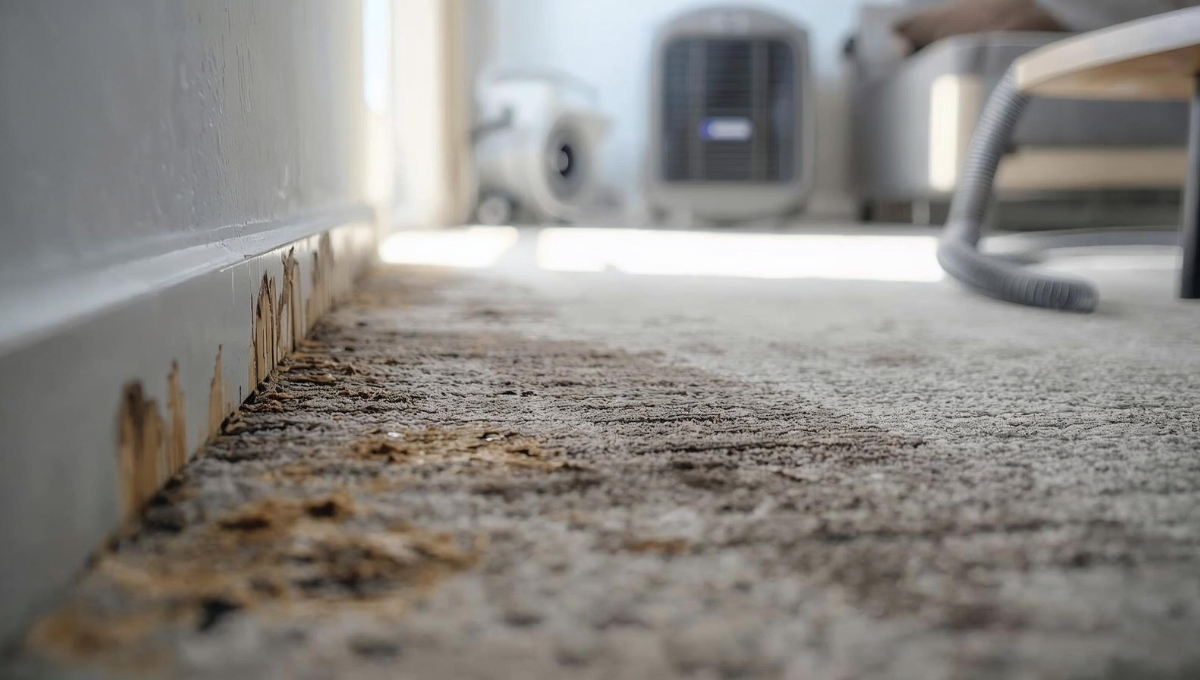
After cleaning, one of the first signs of improper drying is a musty or earthy smell. Other indicators include cold or damp spots underfoot, uneven carpet texture, or visible discoloration. If these symptoms appear, moisture may be trapped under the surface.

Understanding how moisture becomes trapped is the first step in preventing mold growth after carpet cleaning.

Common Causes of Mold After Carpet Cleaning

While carpet cleaning is beneficial for removing dirt, allergens, and stains, certain mistakes allow mold to grow. Here are the most common causes:

Too Much Water Applied During Cleaning
When a cleaner saturates a carpet, the water flows past the fibers and into the padding. Padding is thick and dense, and once it absorbs water, drying takes significantly longer. Even professional cleaning methods can cause issues when equipment is improperly used.

Poor Water Extraction
Many DIY rental units are simply not strong enough to pull water back out of the carpet. Homeowners may unknowingly leave behind several gallons of moisture that settle under the surface.

Hidden Water Damage Beneath the Carpet
If a pipe leak or previous flooding occurred, moisture may already be trapped under the carpet. Cleaning introduces new water, activating and spreading mold that was already present.

Humidity Inside Los Angeles Homes
Areas like San Bernardino, Hesperia, and Rancho Cucamonga experience seasonal humidity spikes. Mold thrives when humidity rises above 60 percent, making thorough drying more difficult.

Older Carpeting and Thick Padding
Thicker padding retains moisture longer. Older carpet fibers also lose their ability to release water quickly, making them more susceptible to mold growth.

Slow Drying Time
The faster a carpet dries, the safer it is. When drying takes more than 24 hours, the risk of mold increases dramatically. Lack of fans, closed windows, or poor ventilation will slow the process even more.

Mold Growth Timeline
Mold can begin forming within 24 to 48 hours. By the third day, it can spread deeper into the padding and subfloor. After one week, the structure beneath may require professional removal and remediation.

Understanding these causes helps homeowners avoid simple mistakes that lead to costly repairs.

How To Prevent Mold When Cleaning Your Carpets

Preventing mold issues begins before the cleaning process even starts. Whether you’re doing the cleaning yourself or hiring a professional, the steps below are essential to ensure your carpets dry quickly and safely.

Pre-Cleaning Inspection
Always inspect the carpet for signs of moisture, dark staining, or musty odors. These can indicate existing mold that should be addressed before cleaning.

Use Controlled Moisture Techniques
Professional services like Coast View Plumbing & Restoration use equipment that controls how much water is applied. This helps avoid saturation and reduces drying time.

Strong Water Extraction
High-powered suction equipment is the most important factor for preventing mold. The less water left behind, the safer the carpet is.

Increase Airflow Immediately
Open windows, run fans, activate ceiling fans, and consider using floor blowers. Air movement is essential for rapid drying.

Use a Dehumidifier
A dehumidifier removes moisture from the air, allowing the carpet to dry significantly faster. This is especially useful during weather changes or in naturally humid rooms like basements.

Avoid Cleaning During Humid Weather
If humidity is high, schedule carpet cleaning for a dry day. Otherwise, the drying process will take much longer.

Do Not Walk on the Carpet While It Dries
Walking pushes moisture deeper into the carpet and padding. Avoid foot traffic until the carpet is fully dry.

Professional Cleaning Helps Reduce Mold Risk
Professionals are trained to balance moisture levels, improve drying times, and identify early signs of underlying moisture issues. They also use industrial air movers and dehumidifiers when needed.

When You Should Avoid Carpet Cleaning Entirely
If you suspect existing mold, visible growth, strong odors, or moisture trapped under the carpet, cleaning the carpet without professional inspection can make the problem worse. Mold can spread deeper into the padding and subfloor when exposed to new moisture.

Preventative steps like these significantly lower the chance of mold forming after carpet cleaning.

When Mold Is Already Present: What To Do Next

If you believe mold is already forming in your carpet, fast action is essential. Mold spreads quickly and can impact air quality, damage flooring materials, and create health concerns for those with allergies or respiratory sensitivities.

Common Warning Signs Include:

  • A persistent musty odor that gets worse over time

  • Dark or greenish patches appearing on the carpet

  • Damp spots that never fully dry

  • Increased allergy symptoms indoors

  • Soft or bouncy flooring beneath the carpet

When mold is present, the first step is a professional inspection. Coast View Plumbing & Restoration provides detailed assessments to determine whether mold is limited to the carpet or if it has reached the padding and subfloor.

If mold is only on the surface, removal and treatment may be possible. If it has spread deeper, the damaged sections may need to be removed and replaced. Mold trapped beneath the carpet typically cannot be treated effectively without lifting the material.

After identifying the affected areas, proper remediation includes removing contaminated materials, treating the underlying surfaces, drying the structure, and ensuring moisture sources are eliminated. Our team serves homeowners throughout the Greater Los Angeles region, including Lake Los Angeles, Adelanto, Apple Valley, Pomona, Lytle Creek, Claremont, Fontana, Colton, and more.

Professional remediation stops mold at the source and prevents further damage. Quick action can save the carpet, protect the subfloor, and maintain safe indoor air quality.

FAQ: Top Questions Homeowners Ask About Mold After Carpet Cleaning

  1. Can carpet cleaning actually cause mold?
    Yes, carpet cleaning can cause mold when too much moisture is left behind or when the carpet does not dry fast enough. Mold thrives in damp, dark environments, and carpet padding provides the ideal conditions if not properly dried.
  2. How long does it take for mold to grow in carpet after cleaning?
    Mold can begin forming in as little as 24 to 48 hours if moisture becomes trapped. This is why rapid drying and proper extraction are so important.
  3. What does mold in carpet smell like?
    It has a musty, earthy, or damp smell. If your carpet smells unpleasant after cleaning, it may not have dried properly.
  4. How can I tell if my carpet did not dry properly?
    Signs include damp or cool spots, uneven textures, musty odors, or discoloration. If any of these occur, drying was incomplete.
  5. How do I prevent mold when steam cleaning carpets?
    Use controlled moisture, strong extraction, airflow from fans or open windows, and a dehumidifier. Professional cleaning minimizes the risk significantly.

Need expert mold or water restoration? Contact us today!

Categories
Mold Remediation

Fire Damage Inspection Services Near Me: Your Complete Guide to Protecting Your Home

Fire Damage Inspection Services Near Me in Los Angeles, California

When searching for fire damage inspection services near me, homeowners across Greater Los Angeles turn to Coast View Plumbing & Restoration for trusted, professional help. After a fire, the visible destruction is only part of the problem. Hidden structural damage, smoke infiltration, and compromised electrical systems can create serious safety risks. A professional inspection ensures your property is not only structurally sound but safe to live in again.

If your home or business has been impacted by fire, don’t wait. Schedule an inspection today through our Google Business Profile and get fast, local help from certified restoration experts.

Understanding Fire Damage Inspections

Fire damage inspections are the first and most crucial step toward full property recovery. Even a small kitchen or electrical fire can cause hidden issues beneath floors, inside walls, and in ventilation systems. Smoke and soot can settle deep into surfaces, creating long-term odors and health concerns if not handled properly.

A fire inspection is more than a visual walkthrough. It’s a detailed evaluation designed to locate, measure, and document all types of damage caused by flames, smoke, and heat. Professional inspectors use specialized tools to detect damage that’s not visible to the naked eye, such as weakened beams, melted wiring, or moisture from firefighting efforts that can lead to mold growth.

In cities like Victorville, Pomona, and Fontana, where older homes and dry climates increase fire risks, timely inspections can mean the difference between minor repairs and major reconstruction. The process ensures you have a clear picture of the safety and stability of your home before restoration begins.

A qualified team like Coast View Plumbing & Restoration doesn’t just inspect, we identify the safest path forward so you can recover faster and more confidently.

Fire Damage Inspection Services in Lake Los Angeles and Surrounding Areas

At Coast View Plumbing & Restoration, we proudly serve homeowners and businesses across the Greater Los Angeles area, providing fast, dependable fire inspection and restoration services when disaster strikes.

Our service area includes:
Lake Los Angeles, El Mirage, Adelanto, Victorville, Apple Valley, Hesperia, Lucerne Valley, San Bernardino, Pomona, Lytle Creek, Crest Line, Claremont, Rancho Cucamonga, Fontana, and Colton.

No matter where you’re located, our certified team is ready to respond quickly with professional-grade tools, expert evaluations, and personalized care. We understand the unique fire risks of Southern California’s dry climate and provide tailored solutions to protect your property from further damage.

By choosing a trusted local company, you get faster turnaround times, local building code expertise, and a partner who genuinely understands your community’s needs.

The Fire Damage Inspection Process

At Coast View Plumbing & Restoration, we follow a comprehensive process designed to give you peace of mind. From the moment our certified technicians arrive, every step is handled with precision and care.

  1. Initial Safety Assessment
    Before any inspection begins, our team ensures the property is safe to enter. We check for hazards like unstable structures, live electrical lines, and lingering smoke or gas.
  2. Structural Integrity Check
    Next, we inspect walls, floors, ceilings, and support beams to determine whether the fire compromised the framework. Even when damage appears minor, extreme heat can weaken structural materials.
  3. Electrical and Plumbing Review
    Fire often damages wiring and plumbing systems hidden behind walls. Our technicians carefully test electrical systems and inspect pipes for leaks or warping that could cause future water damage.
  4. Smoke and Soot Evaluation
    Smoke can penetrate deep into drywall, insulation, and air ducts. Using air quality meters and residue testing, we identify contamination levels to ensure the air inside your home remains safe.
  5. Moisture and Mold Detection
    The water used to extinguish fires can saturate walls, floors, and furniture. Our team uses infrared cameras and moisture meters to locate hidden dampness that can lead to mold infestations.
  6. Documentation and Reporting
    Finally, we prepare a detailed inspection report with photos and recommendations. This documentation supports insurance claims and helps you make informed decisions about the next steps in restoration.

Our inspection process is thorough yet efficient, ensuring minimal disruption to your daily life. Homeowners across San Bernardino, Hesperia, and Rancho Cucamonga trust our experts because we focus on safety, honesty, and clear communication from start to finish.

Choosing the Right Fire Damage Inspection Company Near You

Not all restoration companies offer the same level of expertise. Selecting the right inspection service can make a significant difference in how smoothly your recovery process goes.

Here’s what to look for when choosing a fire damage inspection company in the Greater Los Angeles area:

Experience and Certification
Choose a company with certified technicians who specialize in fire, smoke, and water restoration. Coast View Plumbing & Restoration follows IICRC and NFPA standards to ensure accuracy and safety in every inspection.

Local Expertise
Working with a local company means faster response times and a better understanding of city-specific codes and risks. Whether you live in Apple Valley, Lucerne Valley, or Claremont, our team knows the regional factors that can affect your home’s restoration needs.

Transparent Process
A trustworthy company explains every step clearly, provides thorough documentation, and avoids hidden fees. Our commitment to integrity and communication means you always know what to expect.

Comprehensive Services
Since fire damage often overlaps with water and mold issues, it’s best to hire a team that can handle all three. Our integrated approach ensures that every aspect of your home’s damage is identified and restored properly, not just patched up.

Proven Results and Local Reviews
Before hiring anyone, check online reviews, ask for references, and confirm they have a solid track record with homeowners in your community. Coast View Plumbing & Restoration has built its reputation on reliability, professionalism, and genuine care for our clients.

When you’re faced with the stress of post-fire recovery, the right inspection partner will make all the difference in how quickly and safely you can move forward.

Restoring and Protecting Your Property After an Inspection

Once your inspection report is complete, the next phase is restoration, rebuilding what was lost and preventing future risks. Our specialists at Coast View Plumbing & Restoration provide seamless transition from inspection to cleanup and repair.

Smoke and Soot Removal
Smoke particles cling to every surface, from walls to HVAC systems. We use professional-grade cleaning agents and HEPA filtration to eliminate harmful residue and restore indoor air quality.

Structural Repairs
If your inspection identifies compromised materials, our restoration team replaces or reinforces them to meet safety codes and restore stability.

Water and Mold Mitigation
Firefighting water often leaves behind moisture that can breed mold within days. We deploy industrial-grade dehumidifiers and advanced drying systems to eliminate hidden dampness.

Odor Elimination
Persistent smoke odors are more than unpleasant, they’re a sign of embedded contamination. Using thermal fogging and ozone treatments, we neutralize odors at their source.

Fire Prevention Guidance
After restoration, we provide recommendations for improving home safety, such as updated wiring, better ventilation, and installing modern smoke detection systems.

Homeowners from Crest Line to Colton appreciate our local knowledge and hands-on approach. We understand how emotionally and financially draining fire damage can be. Our goal is to restore not just your property, but your peace of mind.

Your home deserves professional care from start to finish. Contact Coast View Plumbing & Restoration today to schedule your inspection and take the first step toward full recovery.

FAQs About Fire Damage Inspection Services Near Me

  1. How soon should I schedule a fire damage inspection after a fire?
    You should schedule an inspection as soon as your property is safe to enter. Prompt action helps prevent further structural or moisture-related issues.
  2. What does a fire damage inspection include?
    A complete inspection covers visible and hidden damage, including structural components, electrical systems, plumbing, air quality, and potential mold growth.
  3. How do I know if my home is safe to re-enter after a fire?
    Only a certified inspector or local fire authority can determine when it’s safe. Never re-enter until professionals confirm there are no structural or electrical hazards.
  4. What’s the difference between a fire inspection and fire restoration?
    An inspection identifies all types of fire-related damage, while restoration involves cleaning, repairing, and rebuilding affected areas. Coast View Plumbing & Restoration handles both for your convenience.
  5. Why choose a local company for fire damage inspection?
    Local experts understand the regional building materials, weather patterns, and safety regulations unique to Southern California. That knowledge ensures faster, more accurate results and personalized service.

Final Thoughts

Fire damage can be overwhelming, but with professional help, recovery doesn’t have to be. A detailed inspection from Coast View Plumbing & Restoration ensures your home is safe, secure, and fully documented for insurance and repair purposes.

Whether you’re in Lake Los Angeles, El Mirage, or anywhere in the Greater Los Angeles area, our experienced team is ready to respond quickly and restore your peace of mind.

Don’t delay, contact us today to book your inspection and start rebuilding your home with confidence.

Categories
Mold Remediation Water Damage

Mold in Carpet from Water Damage: Causes, Risks, and How to Fix It Fast

Mold in Carpet from Water Damage

Mold in carpet from water damage can quickly become a serious problem for homeowners in Greater Los Angeles. When moisture seeps into your flooring, it doesn’t just damage the carpet, it threatens your air quality, your health, and even your home’s structural integrity. At Coast View Plumbing & Restoration, our team specializes in identifying, cleaning, and restoring water-damaged areas before mold spreads beyond control.

If you notice musty odors or damp carpet after a leak or flood, don’t wait. Call our experts today through Google and schedule a free on-site inspection.

Understanding How Water Damage Leads to Mold in Carpet

Carpeted flooring is one of the first places mold takes hold after water exposure. When leaks, floods, or burst pipes soak the carpet fibers and padding, moisture becomes trapped beneath the surface. With Los Angeles’ moderate climate and occasional humidity, those damp layers create ideal conditions for mold spores to grow within just 24 to 48 hours.

Even a small spill that isn’t completely dried can lead to microbial growth. Once the spores establish themselves, they spread rapidly, feeding on organic materials in carpet backing and dust. This is why professional restoration is critical, standard vacuuming or surface cleaning often misses the moisture hidden deep in the padding.

Common causes of water damage that lead to carpet mold include:

  • Plumbing leaks under floors or behind walls

  • Overflowing sinks, tubs, or toilets

  • Broken washing machine or dishwasher hoses

  • Roof or window leaks during storms

  • Flooding from heavy rain or burst pipes

It’s important to understand that water damage isn’t just an inconvenience, it’s the trigger for a potential health hazard. Left untreated, a minor leak can evolve into a major mold problem that affects the entire room or HVAC system.

Health Risks and Signs of Mold in Carpet

Mold-contaminated carpets can pose serious health risks for people and pets. When spores become airborne, they spread through your home’s ventilation system and are easily inhaled. Individuals with asthma, allergies, or weakened immune systems are especially sensitive to mold exposure.

Common symptoms of mold exposure include:

  • Sneezing, coughing, or sore throat

  • Eye irritation or redness

  • Skin rashes or itching

  • Nasal congestion and headaches

  • Worsened asthma or allergy symptoms

Beyond the health concerns, mold can damage the carpet fibers and subfloor, causing permanent staining, warping, and unpleasant odors. Mold in carpet typically smells musty or earthy, similar to damp wood or wet socks.

You may also notice:

  • Dark green, black, or white patches on carpet

  • Persistent dampness even after cleaning

  • Peeling paint or bubbling near floorboards

  • Increased allergy symptoms when inside the room

When these signs appear, don’t try to mask the odor or spray over it. Mold spreads invisibly beneath the surface, often extending to the padding and subfloor. The safest solution is professional mold inspection and remediation.

How to Remove Mold from Carpet Safely

The best way to remove mold from carpet depends on the severity of the contamination. Light surface mold may sometimes be cleaned, but once it penetrates the carpet padding or subfloor, replacement is usually necessary. The key is acting quickly before the mold colony expands.

At Coast View Plumbing & Restoration, our certified technicians use professional-grade equipment and antimicrobial solutions to clean and restore carpets safely. Here’s the process we follow to eliminate mold from water-damaged areas:

  1. Inspection and Moisture Detection
    Using infrared cameras and moisture meters, we locate hidden water pockets under the carpet and within the padding.

  2. Containment and Safety Measures
    We isolate the affected area to prevent mold spores from spreading to clean spaces. Our team wears protective gear and uses HEPA air filtration for safety.

  3. Water Extraction and Drying
    High-powered vacuums and industrial dehumidifiers remove excess moisture quickly to stop active mold growth.

  4. Cleaning and Disinfection
    Antimicrobial cleaning agents break down mold spores and bacteria while protecting the carpet fibers.

  5. Carpet and Padding Replacement (If Needed)
    If the mold has penetrated the base layers, we safely remove and dispose of contaminated materials and replace them with clean, mold-resistant materials.

  6. Final Air Quality Testing
    We verify that spore levels are safe before completing the project, ensuring your indoor air is healthy again.

While DIY cleaning with vinegar or baking soda can help minor cases, it’s not recommended for larger areas. Household cleaners often fail to reach deep moisture layers where mold thrives. Professional restoration is safer, faster, and usually less expensive than long-term repairs caused by spreading contamination.

Preventing Mold After Water Damage

Prevention is the most effective way to protect your home from mold. The faster you act after water exposure, the lower your risk of mold growth.

Here’s how to prevent mold after water damage:

  • Remove standing water immediately. Use a wet vacuum or call for emergency extraction services.

  • Dry the carpet within 24 hours. Use fans, dehumidifiers, and open windows for airflow.

  • Lift the carpet edges. This allows moisture trapped underneath to escape.

  • Disinfect the area. Use antimicrobial sprays designed for carpets and fabrics.

  • Control humidity. Keep indoor humidity below 50%, especially during warm months.

  • Fix leaks fast. Repair plumbing or roof leaks as soon as they’re detected.

For homes that experience repeated leaks or flooding, consider installing waterproof padding or switching to nonporous flooring in high-risk areas. Regular inspections—especially after storms or plumbing issues, can prevent mold from taking hold before it becomes visible.

If your home in Lake Los Angeles, Pomona, Rancho Cucamonga, or anywhere in the Greater Los Angeles area has experienced water damage, it’s important to act quickly. Contact Coast View Plumbing & Restoration today for professional water and mold remediation. We’ll inspect your property, remove mold safely, and restore your space so you can breathe easy again.

Why Choose Coast View Plumbing & Restoration

Choosing the right restoration company can make the difference between a quick recovery and long-term damage. Coast View Plumbing & Restoration brings years of experience and advanced technology to every project, serving both residential and commercial clients across Greater Los Angeles, including Victorville, Fontana, Claremont, and San Bernardino.

Here’s what sets our team apart:

  • Certified Mold Remediation Experts: We follow industry standards for safe, effective mold removal.

  • Full-Service Restoration: From plumbing repairs to carpet replacement, we handle every step.

  • Rapid Response: Our emergency team is ready for same-day service when you need it most.

  • Local Experience: We understand the regional climate and water damage challenges unique to Southern California.

  • Customer Satisfaction: Our clients trust us for transparent communication, honest assessments, and high-quality results.

Whether your damage came from a burst pipe, flood, or hidden leak, our team provides end-to-end solutions to protect your property. We handle everything from plumbing repairs to final carpet restoration, so you don’t need to coordinate multiple contractors.

FAQ – Mold in Carpet from Water Damage

  1. How long before mold grows in wet carpet?
    Mold can start forming within 24 to 48 hours after the carpet becomes wet if it isn’t dried quickly and completely.
  2. Can moldy carpet be saved or does it need replacing?
    If the contamination is small and hasn’t reached the padding, professional cleaning can save it. But once mold penetrates deeper layers, replacement is usually the safer option.
  3. What does mold in carpet smell like?
    A musty, earthy smell is one of the first indicators. The odor often intensifies when humidity rises or when you walk on the carpet.
  4. Can I clean moldy carpet myself?
    Minor surface mold may be cleaned using antimicrobial carpet cleaners, but extensive mold requires professional remediation to ensure complete removal and prevent regrowth.
  5. Will a dehumidifier help prevent mold growth in carpets?
    Yes. Dehumidifiers lower indoor moisture levels, reducing the chance of mold growth after water exposure. They’re especially useful in basements, bathrooms, and laundry rooms.

Take Control of Water Damage Before It Becomes Mold

Mold doesn’t just affect your carpet, it affects your health, comfort, and peace of mind. If you’ve experienced any kind of water damage, don’t wait for visible signs of mold to appear. The longer you delay, the more expensive and invasive the cleanup becomes.

Schedule your professional inspection today with Coast View Plumbing & Restoration. Our experts will respond quickly, identify moisture sources, and restore your home safely and efficiently.

Categories
Mold Remediation

Removing Mold Damage on Leather: Professional Cleaning and Restoration Tips for Los Angeles Homeowners

Removing Mold Damage on Leather

Removing mold damage on leather can be a challenge, especially when moisture and humidity from leaks or floods create ideal conditions for mold to grow. At Coast View Plumbing & Restoration, we’ve helped countless Los Angeles homeowners restore their valuable leather items after water or mold exposure. From leather sofas and jackets to car interiors, the right cleaning and drying methods make all the difference in preserving quality and preventing long-term deterioration.

If you’re dealing with leather mold right now, don’t wait, get fast help from our Coast View Plumbing & Restoration experts via our Google Business Profile. We’re available across Greater Los Angeles to restore your items safely and effectively.

Understanding Mold Damage on Leather

Mold thrives in dark, damp, and humid environments. When leather absorbs moisture, whether from a plumbing leak, poor ventilation, or long-term storage, it becomes a perfect place for mold spores to spread. Once established, mold eats into the natural fibers, discoloring the leather and weakening its structure.

Common Causes of Mold on Leather

  • Water leaks: Hidden plumbing issues or recent flooding.

  • Humidity: Poor ventilation in basements, garages, or closets.

  • Improper storage: Keeping leather in plastic covers that trap moisture.

  • Temperature shifts: Frequent heating and cooling cycles that create condensation.

In Greater Los Angeles, residents in areas like Victorville, Pomona, San Bernardino, and Rancho Cucamonga often face humidity spikes that encourage mold growth, especially after heavy rains or minor leaks.

Signs of Mold Damage

Identifying mold early makes removal easier and helps prevent spread. Look for:

  • White, green, or black spots on the surface

  • A damp, musty odor

  • Texture changes from smooth to sticky or rough

  • Fading, discoloration, or cracking

Ignoring these signs allows spores to spread not just on the leather but throughout your home.

Why You Shouldn’t Ignore Mold on Leather

Mold isn’t just a cosmetic issue. Spores can affect indoor air quality and cause allergic reactions. Mold-contaminated furniture or clothing can also spread the problem to other materials nearby. That’s why professional remediation is crucial to protecting your health and belongings.

When you call Coast View Plumbing & Restoration, our certified technicians use safe, proven methods to remove mold while preserving the leather’s texture, color, and durability.

Step-by-Step Guide to Removing Mold Damage on Leather

Removing mold from leather requires care, patience, and the right cleaning agents. Follow these expert-approved steps to handle small mold patches safely.

Step 1: Prepare the Area

Move the affected item outdoors or into a well-ventilated area. Avoid cleaning leather indoors where spores can spread. Wear gloves and a mask to prevent breathing in mold particles.

Step 2: Brush Off Loose Mold

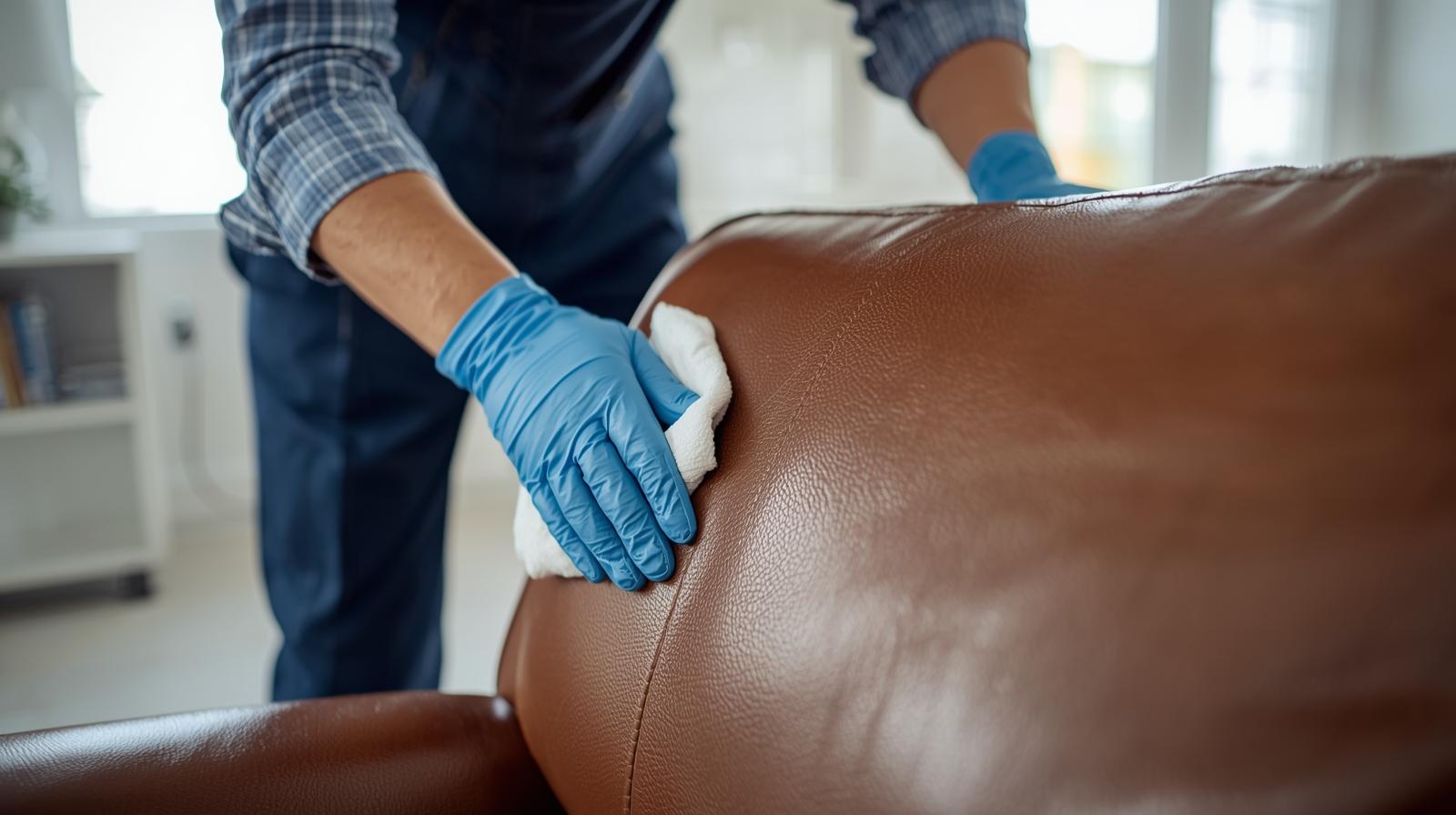
Use a soft brush or microfiber cloth to gently remove surface mold. Avoid scrubbing harshly, excessive friction can damage leather pores. Dispose of the cloth or brush afterward to stop cross-contamination.

Step 3: Clean with Vinegar or Alcohol Solution

Mix one part white vinegar or 70% isopropyl alcohol with one part water. Dampen a cloth with the solution and wipe the leather carefully. Vinegar’s acidity kills mold without harming most leather surfaces, while alcohol disinfects and evaporates quickly.

Never soak the leather. Excess liquid can cause staining or warping.

Step 4: Dry the Leather Thoroughly

Allow the item to air dry completely. Avoid placing it under direct sunlight for extended periods, as this can fade or crack the leather. A fan or dehumidifier can speed up drying safely.

Step 5: Condition the Leather

Once the item is dry, apply a leather conditioner to restore moisture balance and prevent future cracking. Conditioning keeps leather soft, flexible, and resistant to future mold growth.

If your leather item has deep-set mold, strong odors, or extensive damage, it’s time to call a professional. Our Greater Los Angeles mold remediation experts handle everything from water cleanup to detailed leather restoration.

Preventing Future Mold Growth on Leather

After you’ve removed mold, preventing its return is just as important. Here’s how to protect your leather from future damage.

Control Moisture and Humidity

Mold thrives in moisture. Keep indoor humidity between 30% and 50% using a dehumidifier or air conditioner. Homes in coastal and inland areas like Apple Valley, Lucerne Valley, or Fontana often need consistent moisture control.

Improve Air Circulation

Avoid storing leather in sealed spaces. Open closets and cabinets occasionally to allow airflow. If possible, elevate leather furniture slightly to let air circulate underneath.

Proper Storage Methods

Store leather goods in breathable fabric bags instead of plastic, which traps humidity. For furniture, use cotton covers that allow moisture to escape.

Routine Leather Maintenance

Clean and condition your leather every few months, especially after exposure to moisture. Conditioning helps maintain flexibility and reduces the likelihood of mold spores taking hold.

By following these steps, you can protect your leather investment, and your indoor air quality.

Restoring and Protecting Leather After Mold Removal

After mold removal, leather requires special care to recover fully. Restoration not only improves appearance but also helps protect against future growth.

Rehydrating Leather

Mold and cleaning agents can dry leather out. Use a nourishing conditioner to reintroduce natural oils. Gently massage it in with a clean cloth until absorbed.

Using Mold-Resistant Treatments

Protective sprays designed for leather can help repel moisture and mildew. Always test on a small hidden area before applying it to the entire surface.

Fixing the Source of the Problem

If mold developed due to a plumbing issue or water intrusion, the cause must be fixed. That’s where Coast View Plumbing & Restoration goes beyond cleaning. Our team identifies and repairs leaks, dries affected areas, and restores your property to its original condition.

Professional vs. DIY: Knowing When to Call the Experts

Small mold spots might be manageable on your own, but larger outbreaks require specialized treatment. Professionals use industrial-grade HEPA filters, cleaning agents, and drying equipment to remove mold safely and prevent recurrence.

When you choose Coast View Plumbing & Restoration, you’re getting more than cleaning, you’re getting full-service protection for your home, belongings, and air quality.

FAQs About Removing Mold Damage on Leather

  1. Can vinegar safely kill mold on leather?
    Yes, vinegar is a safe and effective natural cleaner when diluted properly. It kills mold spores and removes odors without damaging most leather surfaces.
  2. Will mold return after cleaning?
    It might if humidity or leaks remain unchecked. Ensure proper drying and address moisture sources to keep mold from coming back.
  3. Can I use rubbing alcohol on all types of leather?
    Rubbing alcohol is safe for finished leather but may dry out delicate or unfinished surfaces. Always test in an inconspicuous area first.
  4. How can I remove the musty smell from moldy leather?
    After cleaning, place the leather item in a ventilated area with activated charcoal or baking soda nearby. These absorb odors naturally over a few days.
  5. When is it better to replace leather instead of cleaning it?
    If mold has deeply penetrated the fibers, causing discoloration or weakening, replacement might be the safer option. A restoration professional can assess the condition for you.

Mold damage on leather can spread quickly and reduce the lifespan of your furniture, clothing, or vehicle interior. If you suspect mold growth, don’t ignore it, the longer you wait, the harder it becomes to restore. The safest and most effective approach is to rely on certified professionals who can clean, disinfect, and protect your leather while addressing the source of moisture.

Contact Coast View Plumbing & Restoration today for professional mold removal and leather restoration services in Greater Los Angeles, including Lake Los Angeles, El Mirage, Hesperia, Claremont, Rancho Cucamonga, Fontana, and San Bernardino. Our experienced restoration specialists are ready to restore your home and belongings with care, precision, and trusted expertise.

Categories
Mold Remediation

Does Renters Insurance Cover Mold Damage?

Does Renters Insurance Cover Mold Damage?

Mold damage is one of the most common problems tenants face, and many renters wonder: does renters insurance cover mold damage? The answer depends on how the mold formed and what caused it. At Coast View Plumbing & Restoration, we help renters and property owners throughout Greater Los Angeles handle water and mold damage quickly and safely. Understanding your insurance coverage is the first step toward protecting your health, your belongings, and your home.

Don’t wait until mold spreads, get expert help today. Contact Coast View Plumbing & Restoration on Google for fast service and honest restoration advice.

Understanding Mold Damage and Renters Insurance

Mold can grow anywhere moisture is present, and in Southern California’s warm climate, it spreads fast. Common causes include leaky pipes, roof damage, poor ventilation, and flooding. For renters, the question is not just how to remove it, but who pays for the cleanup.

Renters insurance is designed to protect your personal belongings from unexpected events called “covered perils.” These typically include things like fire, smoke, theft, vandalism, and water damage from sudden accidents such as a burst pipe. However, mold is rarely listed directly as a covered peril.

Insurance companies often treat mold as a secondary result of another event. That means mold cleanup may be covered only if it resulted from a problem already protected under your policy, such as a pipe bursting in your apartment and soaking your furniture and walls.

Because mold can cause serious health issues, such as allergies, respiratory irritation, and long-term air quality problems, it’s essential to understand your rights and responsibilities as a renter. A little prevention and knowledge now can save you thousands in potential losses later.

When Renters Insurance Covers Mold Damage

In most renters insurance policies, mold damage is covered only if it’s caused by a sudden, accidental event that’s already listed as a covered peril.

For example:

  • Burst pipes: If a pipe breaks suddenly and water spreads into your bedroom walls, any mold that develops from this event is likely covered.

  • Water heater malfunction: When a water heater leaks unexpectedly, damaging your belongings and leading to mold growth, the cleanup could be reimbursed.

  • Firefighting water: If firefighters use water to put out a nearby fire and mold develops later, your renters insurance may also cover it.

In these cases, the key factor is that the mold is a direct result of a sudden and unexpected water event. The insurance company will require proof, such as photos, maintenance reports, and inspection results, to verify that the damage wasn’t due to long-term neglect.

At Coast View Plumbing & Restoration, we often assist renters in documenting their mold damage after a water emergency. Our licensed restoration team uses professional moisture detection equipment to trace where the leak started and how far the damage spread. Having this documentation ready can make a big difference when filing your claim.

When Mold Damage Is Not Covered

Unfortunately, renters insurance does not cover all types of mold damage. The most common reason a claim is denied is because the insurance company determines that the mold formed gradually over time, something they classify as “maintenance-related.”

Here are situations where coverage is usually denied:

  • Ignored leaks or humidity issues: If a small leak under the sink or a damp bathroom wall was never reported or repaired, the resulting mold is considered preventable.

  • Tenant negligence: Failing to ventilate bathrooms, use fans, or clean visible mold can lead to exclusions.

  • Pre-existing mold: If mold was already present when you moved in, it’s the landlord’s responsibility to address it, not your insurer’s.

  • Flood damage: Flooding from natural disasters or heavy rain requires separate flood insurance, not a standard renters policy.

Even if your renters insurance doesn’t pay for mold removal, you still have options. California law requires landlords to provide safe, habitable living conditions. That includes addressing leaks, water damage, and mold problems promptly. If your landlord doesn’t take action after being notified, you may have legal grounds to request repairs or remediation.

Mold can also spread into hidden areas like insulation, subflooring, and behind drywall. That’s why professional inspection is so important. Our technicians at Coast View Plumbing & Restoration provide thorough assessments to locate mold even when it isn’t visible, helping renters and property owners resolve the problem before it worsens.

How to Protect Yourself from Mold Damage Costs

While you can’t control every leak or accident, there are several ways to reduce the risk of paying out of pocket for mold-related damage.

1. Prevent Mold Growth Early

  • Keep your home well-ventilated, especially bathrooms, kitchens, and laundry rooms.

  • Use a dehumidifier if you live in a humid area or notice condensation forming on windows.

  • Clean and dry wet areas within 24 to 48 hours to stop mold before it takes hold.

2. Inspect Before Signing a Lease

Always inspect for signs of water damage or musty odors before moving in. Look under sinks, behind appliances, and along window sills. Ask the landlord if there have been previous water or mold issues and request documentation of any recent repairs.

3. Review and Customize Your Renters Insurance

Not all policies are the same. Some insurance providers offer optional mold coverage endorsements that can extend protection for cleanup and personal property replacement. This may increase your premium slightly, but it’s often less expensive than paying for professional mold remediation out of pocket.

4. Document Everything

If you discover mold, take detailed photos and videos immediately. Report the issue in writing to your landlord and keep a copy for your records. This documentation helps establish the timeline and supports your case if you need to file an insurance claim or tenant complaint.

5. Get Professional Help Quickly

DIY cleaning might seem cheaper, but improper handling can spread mold spores and worsen damage. Professionals have the right containment tools, filtration systems, and safety gear to remove mold safely.

At Coast View Plumbing & Restoration, our mold remediation experts serve tenants and property managers across Greater Los Angeles, from Lake Los Angeles and Hesperia to Rancho Cucamonga and Pomona. We handle the cleanup, drying, and restoration process while keeping detailed reports that your insurer can use for documentation.

Why Prompt Mold Removal Matters

Even a small leak can lead to big problems if ignored. Mold growth can start within 48 hours and continue spreading unseen behind walls or flooring. Besides damaging your belongings, mold exposure can trigger coughing, headaches, and allergic reactions, especially in children or people with asthma.

When mold damage is left untreated, insurance companies may argue that you failed to mitigate the problem, reducing your chance of coverage. Quick action helps protect your home, your health, and your claim.

Coast View Plumbing & Restoration uses advanced drying and dehumidification systems to stop mold growth at its source. Our team identifies the cause, removes contaminated materials, and restores your home to a safe, clean condition.

FAQ: Renters Insurance & Mold Coverage

  1. Does renters insurance cover mold caused by water leaks?
    Yes, if the mold results from a sudden and accidental leak, such as a burst pipe or overflowing appliance, it’s typically covered. However, damage from long-term leaks or neglected maintenance usually isn’t.
  2. Can I add mold coverage to my renters insurance policy?
    Many insurers offer optional endorsements that extend coverage for mold remediation and cleanup. Ask your provider if you can add this for extra protection.
  3. Will my landlord’s insurance cover mold in my apartment?
    No. Your landlord’s policy covers the building’s structure, not your belongings. You’ll need renters insurance to protect your personal property.
  4. What should I do if I find mold in my rental unit?
    Notify your landlord in writing immediately, take photos, and contact your insurance company. If the mold resulted from a covered peril, file a claim and document the cleanup process.
  5. Does renters insurance cover health issues from mold exposure?
    Renters insurance typically does not cover medical costs related to mold exposure. Those expenses fall under your health insurance policy.

Protect Your Home and Health with Coast View Plumbing & Restoration

Mold damage can be stressful, but you don’t have to face it alone. Whether you need help documenting damage for your renters insurance claim or removing mold safely from your home, Coast View Plumbing & Restoration is ready to help.

We serve the Greater Los Angeles area, including Lake Los Angeles, El Mirage, Adelanto, Victorville, Apple Valley, Hesperia, Lucerne Valley, San Bernardino, Pomona, Lytle Creek, Crest Line, Claremont, Rancho Cucamonga, Fontana, and Colton. Our specialists handle water, mold, and fire restoration with care, speed, and professionalism.

Get expert restoration support today. Contact us here to schedule your inspection or request emergency service.

Categories
Mold Remediation

How to Remove Mold from Walls

How to Remove Mold from Walls Safely

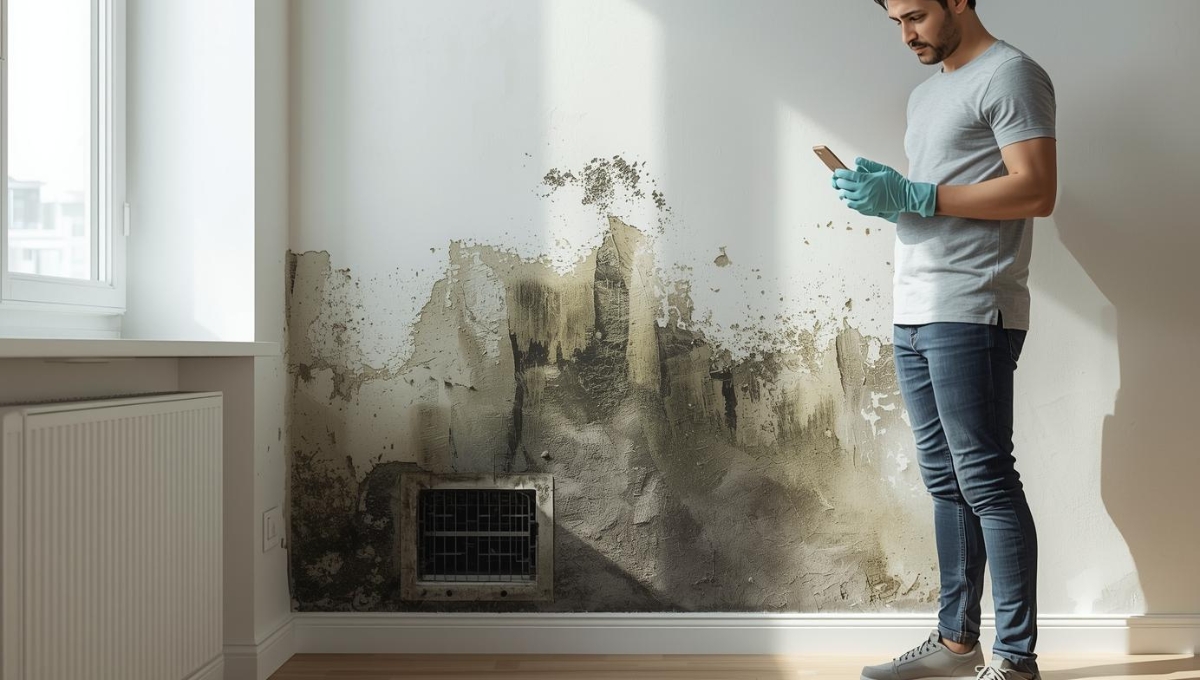
Mold on walls is more than an unsightly problem, it’s a warning sign that excess moisture is hiding somewhere in your home. Learning how to remove mold from walls safely and effectively is critical for protecting your health, your home’s structure, and your indoor air quality. Homeowners across Greater Los Angeles, CA, often face mold issues due to humidity, plumbing leaks, and poor ventilation.

At Coast View Plumbing & Restoration, we understand how quickly mold can spread once it takes hold. Our expert technicians provide professional mold remediation services designed to eliminate contamination at its source, restoring your property to a clean, healthy state.

If you suspect mold in your home, don’t wait, schedule your inspection with Coast View Plumbing & Restoration today. We’re ready to respond fast anywhere in Greater Los Angeles.

Understanding Mold Growth on Walls

Mold thrives in damp, warm, and poorly ventilated spaces. It’s a type of fungus that reproduces by releasing microscopic spores into the air. When these spores land on moist surfaces, they can begin to grow within 24–48 hours.

Why mold grows on walls

Walls, especially those near bathrooms, kitchens, and plumbing fixtures, are ideal breeding grounds for mold. Common causes include:

  • Leaking pipes hidden behind drywall

  • Roof or window leaks that allow rainwater in

  • Condensation from poor ventilation or high humidity

  • Flooding or previous water damage that wasn’t fully dried

Once established, mold can penetrate paint, drywall, and even wood framing, leading to structural deterioration and unpleasant odors. More importantly, prolonged exposure can cause respiratory issues, allergies, and other health problems, particularly for children, older adults, and anyone with asthma.

Types of mold commonly found in homes

Not all molds are the same, but most fall into three visible categories:

  • Black mold (Stachybotrys chartarum) – known for its dark appearance and potential toxicity

  • Green mold – often grows on painted or wooden surfaces and spreads quickly

  • White mold – appears powdery and often confused with efflorescence from moisture buildup

Recognizing these early helps determine whether DIY cleaning or professional remediation is needed.

Safe Steps to Remove Mold from Walls

If the affected area is small, typically less than 10 square feet, you may be able to clean it yourself. However, always take safety precautions to protect your health and prevent the mold from spreading.

Step 1: Protect yourself

Before you begin, wear:

  • Rubber gloves

  • Protective goggles

  • An N95 respirator mask

  • Old clothing that can be washed in hot water afterward

Mold spores are airborne and can irritate your eyes, skin, and lungs. Proper gear keeps you safe during cleanup.

Step 2: Contain the area

Close doors, open nearby windows, and seal off vents. This limits the spread of mold spores to other rooms. Cover the floor with plastic sheeting or old towels to catch debris.

Step 3: Choose your cleaning solution

There are several effective cleaning options, depending on what materials your wall is made of:

  • White vinegar: Spray undiluted vinegar directly on the mold and let it sit for at least an hour before scrubbing.

  • Baking soda solution: Mix one teaspoon of baking soda with two cups of water, spray the area, and wipe clean.

  • Hydrogen peroxide (3%): Apply generously to the moldy surface, allow it to foam for ten minutes, then scrub with a stiff brush.

  • Commercial mold removers: Choose products labeled as mold-killers, not just cleaners, to ensure spores are neutralized.

Avoid using bleach on porous materials like drywall. While bleach can remove visible stains, it doesn’t penetrate deeply enough to kill mold roots.

Step 4: Clean thoroughly

Scrub the affected area using a brush or sponge, then wipe with a damp cloth. Dispose of cleaning materials in a sealed bag. Dry the area completely using fans or dehumidifiers—mold can regrow if moisture remains.

Step 5: Know when to call professionals

DIY cleaning is not always enough. You should contact a licensed restoration company like Coast View Plumbing & Restoration if:

  • Mold covers more than one wall or an area larger than 10 square feet

  • You notice recurring growth after cleaning

  • The mold is inside HVAC systems, ceilings, or insulation

  • There’s evidence of extensive water damage

Our certified specialists use industry-grade HEPA filtration and antimicrobial treatments to remove mold safely while addressing the root cause of moisture.

Preventing Mold from Returning

Eliminating mold once is only part of the solution. To ensure it doesn’t return, you must address the conditions that allowed it to grow in the first place.

Fix moisture problems at the source

Even a minor plumbing leak can create a long-term mold problem. Hidden leaks behind walls or under sinks can keep materials damp for weeks. Hiring a licensed plumber ensures that leaks are properly detected and repaired before they lead to bigger damage.

Control indoor humidity

Keep indoor humidity between 30% and 50%. Use exhaust fans in bathrooms and kitchens, run a dehumidifier during humid months, and open windows regularly to improve air circulation.

Dry wet surfaces quickly

If a spill, leak, or minor flood occurs, dry affected areas within 24 hours. Mold spores can germinate quickly if moisture lingers.

Use mold-resistant materials

When repainting, use mold-resistant primers and paints designed for high-moisture environments. For remodels, consider moisture-resistant drywall (often labeled “green board”).

Schedule regular inspections

After a plumbing or water damage incident, periodic inspections by professionals like Coast View Plumbing & Restoration help ensure your property remains mold-free. We identify potential risks early and recommend solutions that prevent future growth.

Why Choose Coast View Plumbing & Restoration

When it comes to mold removal and restoration, experience and certification matter. Coast View Plumbing & Restoration proudly serves Greater Los Angeles, CA, including Lake Los Angeles, El Mirage, Adelanto, Victorville, Apple Valley, Hesperia, Lucerne Valley, San Bernardino, Pomona, Lytle Creek, Crest Line, Claremont, Rancho Cucamonga, Fontana, and Colton.

Here’s why homeowners trust our team:

  • Comprehensive expertise in water, mold, and fire restoration

  • State-of-the-art equipment to detect hidden moisture and mold spores

  • Licensed, bonded, and insured technicians for your peace of mind

  • Prompt response to minimize damage and prevent health risks

  • Long-term protection through full remediation and preventative solutions

We don’t just clean visible mold, we restore your home’s safety and comfort from the ground up. Whether your problem started from a plumbing leak or storm damage, our specialists identify the cause, treat the affected areas, and ensure your property stays protected long after the work is done.

Don’t let mold continue to grow unseen. Contact Coast View Plumbing & Restoration today to schedule your professional mold remediation service. Protect your home, your health, and your investment.

FAQ: Mold Removal Questions Homeowners Ask

1. What’s the best cleaner for removing mold from walls?

For small patches, natural cleaners like vinegar or hydrogen peroxide can work well. However, large or stubborn infestations often require professional-grade antimicrobial treatments that penetrate deeper surfaces.

2. Can I paint over mold on my wall?

Painting over mold doesn’t solve the problem, it traps moisture and allows mold to continue growing underneath the paint. Always remove mold completely and let the surface dry before repainting.

3. How can I tell if mold is toxic?

You can’t determine mold toxicity by appearance alone. Black mold (Stachybotrys chartarum) is often linked to health problems, but testing by a certified remediation company is the only reliable way to know.

4. Will mold go away if I use a dehumidifier?

A dehumidifier helps reduce moisture, which prevents mold from growing, but it won’t kill existing colonies. You still need to clean or professionally treat any visible growth.

5. When should I call professionals for mold removal?

If mold covers more than 10 square feet, keeps returning after cleaning, or is located in HVAC systems or walls, call Coast View Plumbing & Restoration. Our licensed team provides thorough inspection, remediation, and restoration services to make your home safe again.

Final Thoughts on How to Remove Mold from Walls Safely

Removing mold from walls requires more than cleaning, it demands understanding how moisture, airflow, and surface materials interact inside your home. With the right combination of prevention and professional care, you can maintain a healthy indoor environment year-round.

For trusted mold removal, water damage repair, and full restoration services across Greater Los Angeles, turn to the experts at Coast View Plumbing & Restoration. We’re committed to restoring your comfort and protecting your property.

Ready to reclaim your home? Contact us today for fast, reliable mold remediation service.

Categories
Mold Remediation

Household Appraisal in California: Complete Guide

Household appraisal is essential to buying or selling a property in California. 

This blog will cover the basics of household appraisal in California, including what it is, how it works, and what you need to know as a homeowner.

What is a Household Appraisal?

A household appraisal is an estimation of the market value of a property conducted by a licensed appraiser. The appraisal considers various factors, such as the property’s size, location, condition, and amenities, as well as the recent sales of comparable properties in the area. The appraiser will provide a written report outlining their property valuation.

Why is a Household Appraisal Important?

A household appraisal is important because it helps determine the property’s value, which is a critical factor in buying or selling a home. Lenders require an appraisal to ensure that the property is worth the money being loaned and to protect themselves from loaning more than it is worth. Appraisals also help homeowners understand the value of their property and make informed decisions about refinancing, remodeling, or selling.

How Does a Household Appraisal Work?

When you request a household appraisal, a licensed appraiser will visit the property and evaluate it based on various factors. The appraiser will take measurements, note the property’s condition, and assess the quality of the fixtures and finishes. They will also consider the property’s location, views, and access to amenities such as schools and parks. Finally, the appraiser will review recent sales of comparable properties in the area to determine the property’s market value.

What Do You Need to Know as a Homeowner?

As a homeowner, you should know a few things about California household appraisals. First, hiring a licensed appraiser knowledgeable about the local market is important. You should also be prepared to provide access to the property and answer any questions the appraiser may have. Finally, remember that the appraisal is an independent evaluation, and the appraiser’s valuation may be higher or lower than your expectations.

Conclusion:

Household appraisals are a crucial part of buying or selling a property in California. They help ensure that properties are valued accurately and protect lenders from loaning more than a property is worth. As a homeowner, it’s essential to understand the basics of household appraisals, hire a licensed appraiser, and be prepared to provide access to the property. 

Categories
Mold Remediation Water Damage

Water-Damaged Ceiling with Light Fixtures & HVAC Vents

water-damaged ceiling water-damaged ceiling water-damaged ceiling Water-Damaged Ceilings can be a frustrating experience, and reconstructing it can seem daunting. 

Here are the steps you can follow to Water-Damaged Ceiling

Step 1: Turn Off the Power

This will ensure that you avoid any electrical hazards that may be present.

Step 2: Assess the Damage

Look for any signs of water staining, warping, or cracks in the ceiling and damage to any light fixtures or HVAC vents. If the damage is severe, it may be best to consult a professional contractor.

Step 3: Remove Any Damaged Materials

This will help prevent the spread of mold and mildew. Wear protective gear, such as gloves and a mask, when handling these materials.

Step 4: Dry the Affected Area

You can use a dehumidifier or fans to speed up the drying process. Make sure also to open windows and doors to allow for proper ventilation.

Step 5: Repair or Replace Light Fixtures and HVAC Vents

If they are damaged beyond repair, replace them with new ones. If they can be repaired, follow the manufacturer’s instructions.

Step 6: Repair the Ceiling

If the damage is more severe, you may need to replace the entire ceiling. This will involve installing new drywall or ceiling tiles and finishing them with joint compound and paint.

Step 7: Check for Mold and Mildew

After completing the repair and reconstruction process, check for any signs of mold or mildew. If you do find any, it’s important to remove them as soon as possible to prevent further damage and potential health hazards.

If not properly addressed, 

Water-Damaged Ceiling with light fixtures and HVAC vents can lead to various issues, including spreading mold and mildew, structural damage, electrical hazards, and potential health risks.

In conclusion, 

Water-damaged ceiling repairing and reconstructing with multiple light fixtures and HVAC vents may seem daunting, but it can be accomplished with the right approach and tools. By following these steps, you can restore your ceiling to its former condition and ensure that it remains in good condition for years to come.